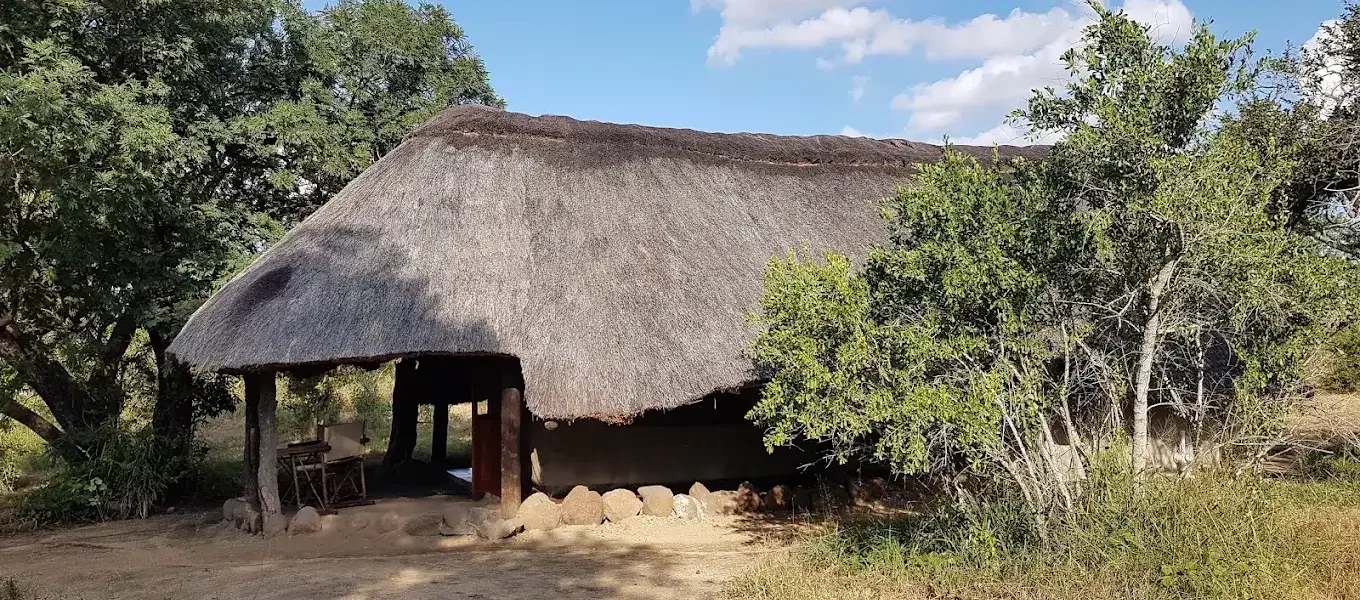
Not every safari traveller wants a lodge. Some want a camp — the kind of place where the bush begins at the edge of your tent canvas, where the sounds of the African night are not filtered through thick walls and sealed windows, and where the line between guest comfort and wild landscape is intentionally thin. Pungwe Safari Camp in the Manyeleti Game Reserve is built precisely for that traveller. It is one of the most authentically atmospheric safari experiences available in Greater Kruger — romantic in the original sense of the word, meaning immersed in something larger and wilder than everyday life.
This post covers what Pungwe Safari Camp is, how it fits into the broader Manyeleti landscape, what three days here actually delivers in terms of wildlife and experience, and why it consistently earns its place among the most recommended camps in this part of South Africa. If you have been considering our 3-Day Pungwe Safari Camp package and want a thorough understanding of what to expect before you book, read on.
What Kind of Camp Is Pungwe?
Pungwe Safari Camp occupies the classic tented bush camp format that defined African safari travel before the genre bifurcated into either five-star hotel-in-the-bush or budget-backpacker ends of the spectrum. It sits deliberately between them — well-appointed, genuinely comfortable, staffed by knowledgeable and attentive guides, but built around the principle that the bush itself is the experience and the camp exists to support that rather than compete with it.
The camp’s design keeps the footprint small and the atmosphere intimate. Guest numbers are intentionally limited, which means the ratio of guides to guests allows for personalised attention on every game drive and a flexibility in daily scheduling that larger lodges cannot offer. If the lion pride has been located to the north of camp, your morning drive goes north. If the leopard that was sighted at last light yesterday is likely to be found along the drainage line at dawn, your guide knows which drainage line and which section of it. This real-time responsiveness to the wildlife — the ability to react to what the bush is actually doing rather than following a fixed route — is one of the defining advantages of a small camp over a larger, more operationally rigid property.
The communal spaces at Pungwe — the boma, the dining area, the campfire — create the natural gathering atmosphere that is one of the underrated pleasures of a small safari camp. Guests share sighting stories over dinner, guides brief the group on what was seen by other vehicles during the day, and the evenings around the fire carry the kind of unhurried, companionable energy that is difficult to manufacture and impossible to fake.
Manyeleti: Why the Reserve Matters as Much as the Camp
A camp is only as good as the wildlife terrain it sits within, and Pungwe Safari Camp’s position inside the Manyeleti Game Reserve is one of its most significant assets. Manyeleti covers approximately 23,000 hectares of classic Greater Kruger bushveld, sharing open, unfenced boundaries with Sabi Sands Game Reserve to the south, Kruger National Park to the east, and Timbavati to the north. Wildlife moves freely and continuously across all of these boundaries, and the animals you encounter in Manyeleti may be ranging across a combined territory that spans hundreds of thousands of hectares of interconnected wilderness.
What distinguishes Manyeleti from its more famous neighbours is not the wildlife — the Big Five are present in strong numbers across the reserve — but the density of vehicles at sightings. Sabi Sands is world-renowned for its leopard encounters, and it deserves that reputation. But at a popular sighting in Sabi Sands, you may be sharing the experience with eight or ten vehicles. In Manyeleti, the lodge-density limits mean that the same quality of sighting is typically shared between one and three vehicles. The difference in atmosphere — the silence around a leopard kill, the ability to hear the lion cubs rather than the idling engines — is significant.
For travellers who have researched Greater Kruger and are weighing Manyeleti against other options, our post on Manyeleti vs Klaserie: Authenticity, Vehicle Density, and Value Compared gives a direct, honest assessment of how these two underrated reserves compare.
The Wildlife: What Three Days at Pungwe Delivers
Three days in any private Greater Kruger reserve, with morning and afternoon game drives plus night drives, delivers between six and eight guided wildlife sessions. At Pungwe Safari Camp, those sessions are built around Manyeleti’s current wildlife patterns — your guide tracks daily movements across the reserve and positions each drive to maximise the relevance of every hour in the field.
Lion are Manyeleti’s signature sighting. The reserve hosts several resident prides that work the drainage lines, open grasslands, and woodland edges across the 23,000 hectares. Three-day stays routinely produce multiple lion encounters — from large coalition males at dawn to mother-and-cub interactions at a waterhole in the late afternoon. Lion hunting behaviour, territorial marking, and cub play are all regularly observed by guests at Pungwe.
Leopard are present throughout the reserve and are reliably encountered along the drainage lines and in the riverine vegetation that runs through Manyeleti’s core. The vehicle density advantage means that when your guide locates a leopard, the encounter is typically extended and unhurried — exactly the conditions in which a leopard behaves naturally rather than retreating from the pressure of multiple vehicles.
Elephant move through Manyeleti in large breeding herds from Kruger, often crossing into the reserve in the late afternoon and early morning. Close-range encounters with these herds — watching them interact, discipline calves, test the air, and move with the quiet deliberateness of very large animals that know they have nothing to fear — are among the most memorable experiences a game drive can offer.
Buffalo form large herds in the reserve’s open areas, and the interaction between buffalo herds and the lion prides that prey on them creates the kind of prolonged, dramatic predator-prey encounters that most safari travellers come specifically hoping to witness. White rhino are present, wild dog make periodic appearances, and the birdlife across Manyeleti’s varied habitat types is exceptional for both diversity and visibility.
Before any extended game drive session in Greater Kruger, our Big Five Behavior Guide: How to Spot and Photograph Iconic Wildlife in Kruger gives you the species knowledge that elevates every sighting from passive observation to genuine understanding. And if you are bringing a camera, our Photography Settings for Game Drives: A Greater Kruger Cheat Sheet covers every technical setting for the light conditions you will encounter at Pungwe — from the blue predawn hour through to the golden-hour afternoon drives.
Off-Road Driving, Night Drives, and Bush Walks
Pungwe Safari Camp offers the full complement of private reserve safari activities — the experiences that fundamentally separate a Greater Kruger camp stay from a Kruger National Park game drive.
Off-road driving is one of the most immediate differences you notice when moving from the national park to a private reserve. When your guide spots a fresh leopard track leading off the road into the riverine bush, the vehicle simply follows it. No road required. This ability to track animals across terrain rather than waiting for them to appear on a road changes the dynamic of every game drive — you are hunting, in the truest non-lethal sense, rather than hoping.
Night game drives shift the entire species list. The nocturnal world of Greater Kruger is populated by species that daylight drives miss entirely — leopard moving openly in the darkness, spotted hyena following scent trails, civet cats, genets, scrub hares, African wild cats, and the occasional honey badger illuminated in the spotlight beam. Night drives at Pungwe regularly produce sightings that guests rank among the highlights of their entire trip, not despite the darkness but because of what the darkness reveals.
Guided bush walks at dawn are the most grounding experience the camp offers. Walking in the Manyeleti bush with a qualified field guide and tracker — reading spoor in the sand, identifying the alarm calls of birds, understanding the relationship between soil type, vegetation, and the animals that use each habitat — creates a quality of attention and presence that no vehicle can replicate. For a detailed comparison of what game drives and bush walks each deliver, our Bush Walks vs Game Drives: Which Experience Is Right for You? post covers the practical differences clearly.
Why Pungwe Is a Strong Choice for Couples and Honeymooners
The meta description for Pungwe Safari Camp describes it as a “romantic safari lodge” — a description that is accurate not because of spa facilities or turndown service, but because the camp’s atmosphere and setting create exactly the conditions that romantic travel is actually about: disconnection from the ordinary, heightened sensory awareness, shared experiences of the extraordinary, and the particular intimacy that comes from being in a small group in a wild place.
The boma dinner on a clear Manyeleti night — the fire, the stars, the distant sounds of the bush, and a meal built around the occasion — is one of those experiences that couples consistently describe as a defining memory. Not because it was expensive or staged, but because it was genuine. For more on planning a romantic Greater Kruger safari, our Honeymoon in Greater Kruger: Romantic Bush Dinners, Star Beds, and Spa Time guide covers the full range of romantic experiences this ecosystem offers.
Getting to Pungwe: Johannesburg and Cape Town Options
Pungwe Safari Camp in Manyeleti is accessible from Johannesburg by road in approximately five hours, with the route heading east through Mpumalanga toward the Orpen Gate area. Our 3-Day Pungwe Safari Camp package includes full transfers from Johannesburg — collection, overland transfer, camp check-in, and return.
For Cape Town travellers, our 4-Day Cape Town to Manyeleti Fly-In Safari offers the most efficient routing — a scheduled flight to Hoedspruit Airport followed by a short road transfer to Manyeleti. This approach eliminates the overland leg entirely and works seamlessly as the wildlife chapter of a Cape Town and Kruger combined itinerary.
The Kruger Safaris from Johannesburg and Kruger Safari from Cape Town pages give the full picture of transfer options and departure logistics from both cities.
Best Time to Visit Pungwe Safari Camp
Pungwe Safari Camp operates year-round and delivers strong wildlife experiences across all seasons. The dry season (May to September) produces the most consistent game viewing — vegetation thins out, animals concentrate at permanent water sources, and the cool mornings make for the most comfortable long game drives and bush walks. This is when lion and leopard sightings are most frequent and most extended.
The green season (October to April) offers extraordinary birdlife, dramatic afternoon thunderstorms, lush landscapes, and the newborn animals of the calving season. Wet-season visits to Manyeleti are particularly rewarding because the reserve’s lower vehicle density means you experience the green bush in near-solitude. The shoulder months of April and October sit between the two extremes — good sightings, comfortable temperatures, and the best value pricing across the reserve. Our Peak vs Shoulder Season in Greater Kruger: Crowds, Prices, and Sightings covers the full seasonal calendar in detail.
For budget planning, our Cost of a Greater Kruger Safari in 2026: Per Night, By Reserve, and By Season gives transparent pricing across the reserve and accommodation spectrum.
Other Manyeleti Safari Options
If you want to explore beyond Pungwe, the Manyeleti Game Reserve page covers all the lodges and camps we work with in this reserve. The 3-Day Tintswalo Safari Lodge Experience and 4-Day Tintswalo Safari Lodge offer a more formal luxury lodge option within the same reserve. The 3-Day Honeyguide Khoka Moya Safari and 4-Day Honeyguide Mantobeni Safari give you the Honeyguide group’s well-regarded guiding programme in Manyeleti. And the 5-Day Manyeleti Explorer Safari builds a longer, multi-camp itinerary across the reserve for travellers with more time.
For the full picture of every private reserve in the Greater Kruger ecosystem, visit our Greater Kruger page.
Pungwe Safari Camp is the kind of place that reminds you why people came to Africa on safari before the word became a synonym for luxury hotel. It is a camp, in the correct sense — a base from which to engage with the wild rather than a destination that competes with it. Three days here, in a reserve with no crowds and all of Greater Kruger’s wildlife, is the kind of safari that recalibrates your expectations and leaves you planning when to return before you have even left.