Choosing between Manyeleti and Klaserie is not really about which reserve is “better” in a vacuum. It is about what kind of safari feeling you want when the vehicle engine cuts, the bush goes quiet, and a lion lifts its head a few yards away.
Both reserves sit in the Greater Kruger system, both are unfenced to Kruger National Park, and both offer genuine Big Five country. Yet they feel different on the ground. Manyeleti often wins on raw value and a more stripped-back bush atmosphere. Klaserie often wins on scale, solitude, and that deep sense of space that makes a safari feel almost private.
If your shortlist has narrowed to these two, the decision usually comes down to three things: authenticity, vehicle density, and what your budget gets you.
Manyeleti vs Klaserie reserve overview
Manyeleti is the smaller reserve, at roughly 23,000 hectares, with only a handful of lodges. Klaserie is far larger, at around 60,000 hectares, with more camps spread across a much wider wilderness area. Both are wild, unfenced, and predator-rich, but Klaserie’s size shapes the experience in a big way.
That size difference affects how a drive feels. In Manyeleti, you may get a stronger sense of being in a compact, game-rich pocket where sightings can come quickly. In Klaserie, the bush can feel broader, quieter, and less predictable, which many travelers love because it feels closer to old-school safari rather than a checklist outing.
| Feature | Manyeleti | Klaserie |
|---|---|---|
| Approximate size | 23,000 hectares | 60,000 hectares |
| Overall feel | Raw, intimate, less developed | Vast, quiet, more isolated |
| Lodge density | Very low | Low, with more spread across a larger area |
| Price profile | Often better value across categories | More mid-range to luxury leaning |
| Vehicle feel | Usually quiet, sometimes with self-drive presence | Very quiet, often extremely low sighting pressure |
| Best known for | Authentic bush feel, strong value, fewer crowds | Solitude, walking potential, wilderness scale |
Neither reserve feels mainstream.
That is a big part of the appeal.
Safari authenticity in Manyeleti vs Klaserie
If authenticity means rustic charm, a stronger sense of being off the tourist trail, and less polished infrastructure, Manyeleti has a clear case. It is often described as one of the more unspoiled corners of Greater Kruger, with fewer lodges, simpler road networks, and a style that can feel more grounded than some of the more famous neighboring reserves.
Manyeleti also has a distinct identity rooted in place. It is not just another private reserve with polished suites and a marketing gloss. There is history here, and there is a certain plainspoken bush character that many travelers find refreshing. If you like the idea of hearing hyenas from camp, driving rougher tracks, and feeling a little further from the usual safari circuit, Manyeleti delivers that mood very well.
Klaserie feels authentic in a different way. Its authenticity comes less from rusticity and more from scale and restraint. The reserve was built around conservation and low-density tourism, and that philosophy still shapes the guest experience. Long stretches without seeing another vehicle are part of what makes Klaserie memorable. The bush feels allowed to be itself.
This difference matters because “authentic” can mean two very different things on safari.
In Manyeleti, authenticity often feels close, gritty, and immediate. In Klaserie, authenticity feels spacious, quiet, and patient.
Vehicle density in Manyeleti vs Klaserie
For many safari travelers, vehicle density is the hidden factor that shapes the whole trip. You can have excellent wildlife in a reserve, but if every leopard sighting turns into a cluster of vehicles and radios, the magic drops fast.
Klaserie has a strong reputation for keeping things quiet. Across the reserve, low-density tourism is part of the appeal, and guests often report drives where they see little to no other vehicles at all. At sightings, the common private-reserve etiquette is tightly controlled, with very limited vehicle numbers compared with busier safari areas.
Manyeleti is also low density, especially relative to Kruger National Park and some of the better-known premium reserves. With only a few lodges, traffic stays naturally lower. The interesting twist is that Manyeleti is unusual because it also allows self-drive access. That does not usually turn it into a busy reserve, but it does make the traffic pattern feel a bit different. Instead of only lodge vehicles moving in coordinated fashion, there can be independent vehicles spread across the reserve too.
Public, hard daily vehicle counts are not generally published for either reserve, so any comparison should stay practical rather than overly precise. Still, the pattern is clear: both are quiet by Greater Kruger standards, and Klaserie usually feels quieter.
A simple way to think about it is this: Manyeleti feels low traffic, while Klaserie often feels almost empty.
How vehicle density affects wildlife sightings and photography
Fewer vehicles do not just improve the mood of a drive. They can also improve the quality of the sighting.
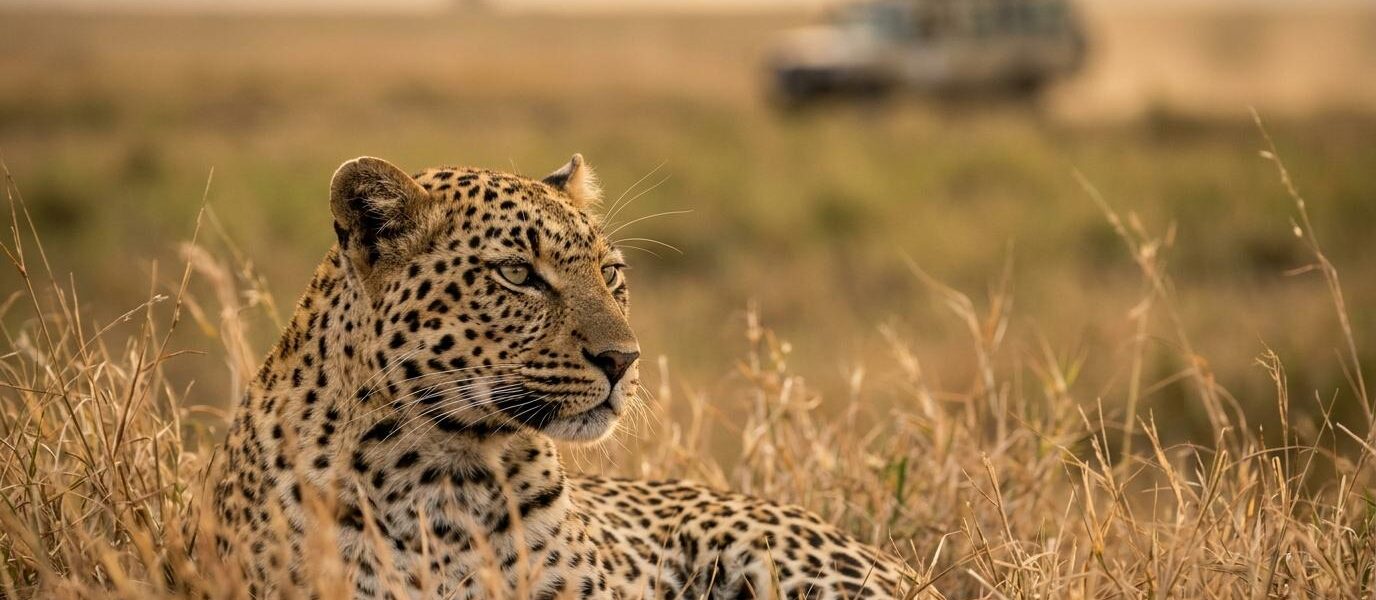
When animals are under less pressure from traffic, they often behave more naturally. Predators stay relaxed for longer. Elephants settle into feeding instead of shifting away. Antelope remain alert but not frantic. For guests, that means more time watching behavior rather than just ticking off species. Watching a leopard scan, yawn, and move through grass is very different from seeing it bolt after a crowded approach.
In Manyeleti, sightings can be excellent, especially for predators, and the ability of guides to go off-road in the right situations adds a lot. Yet wildlife there can sometimes be a little more wary, and when another vehicle joins a sensitive sighting, the animal’s tolerance may drop quickly. This does not mean Manyeleti is poor for viewing. Far from it. It just means the reserve can feel a touch less settled in certain moments.
Klaserie’s lower sighting pressure often gives photographers an edge. You may get more time with fewer competing angles, less dust, less engine noise, and fewer vehicles framing your subject. That matters whether you are carrying a long lens or just trying to take a clean phone photo of wild dogs on a road.
After a few drives, most travelers notice the same things:
- More time at each sighting
- Less jostling for position
- Quieter bush soundscape
- Better chance of natural animal behavior
That is where Klaserie usually pulls ahead.
Manyeleti vs Klaserie value and price comparison
If value is your main filter, Manyeleti is very hard to ignore.
Across Greater Kruger, Manyeleti is often seen as one of the strongest value plays because it combines real Big Five country, low lodge density, and an authentic private-reserve feel without always carrying the same price tags as more famous names. You can still find upscale stays there, but the reserve also has more access to modest, bush-forward pricing than many travelers expect.
Klaserie has value too, but it is a different type of value. You are often paying for space, lower vehicle density, and a more insulated feeling. The reserve has a broader spread of stylish mid-range and luxury options, and many of its camps are geared toward travelers who want comfort without giving up the wilderness mood. That can be excellent value if solitude is high on your list.
The key is to compare value based on what you care about most.
- Best value for budget-conscious safari: Manyeleti
- Best value for solitude per dollar: Klaserie
- Best value for a rustic bush feel: Manyeleti
- Best value for a longer, slower safari stay: Klaserie
There is also a practical point around expectations. If you want a polished luxury experience first and a safari second, Klaserie may feel more consistent across its lodging mix. If you want the safari itself to be the star, and you are happy with a camp that feels less glossy, Manyeleti often stretches your budget further.
Lodge style and safari atmosphere in Manyeleti vs Klaserie
The lodge mix matters more than many first-time safari travelers realize. A reserve can have a strong identity, but your exact camp still shapes the tone of the trip.
Manyeleti’s camps often lean into the bush feel. That might mean tented accommodation, simpler communal areas, open-air dining, and a stronger sense of being in a living wilderness rather than a luxury retreat with wildlife nearby. Some travelers love that immediately. Others realize they would rather have a bit more polish after a bumpy afternoon drive.
Klaserie tends to offer a slightly broader lane between comfort and wilderness. There are intimate camps there too, but the overall impression is often one of calm, space, and carefully considered service. That suits couples, repeat safari-goers, and photographers who want long, quiet days in camp between drives.
The good news is that neither reserve forces one style only. Both can be done well at different comfort levels.
Which travelers should choose Manyeleti or Klaserie?
If your top goal is getting into a true Greater Kruger private reserve without paying top-tier rates across the board, Manyeleti is often the smarter choice. It feels wild, less processed, and rewarding in a way that many experienced safari travelers appreciate. It is also a strong pick for travelers who care deeply about predator sightings and are happy to trade a little polish for atmosphere.
Choose Manyeleti if you want:
- Strong value
- A more rugged bush mood
- Fewer crowds without a premium-first price
- A reserve that feels slightly less commercial
Klaserie suits travelers who want the bush to feel bigger than the lodge. It is excellent for couples, photographers, repeat safari-goers, and anyone who wants a slower rhythm with fewer vehicles around sightings. If your idea of a dream drive is not just “see the Big Five” but “see them in quiet space,” Klaserie makes a powerful case.
Klaserie is often the better fit for these priorities:
- Space: a larger reserve with a stronger sense of isolation
- Sighting etiquette: very low vehicle density and restrained traffic at sightings
- Photography: cleaner viewing angles and less crowding pressure
- Safari pace: ideal for travelers who like patience, stillness, and longer stays
For Families or first-timers, either reserve can work very well, but the decision should match temperament. Families wanting great sightings and solid value often lean Manyeleti. Couples wanting privacy and a more hushed atmosphere often lean Klaserie.
A lot depends on whether you want your safari to feel more intimate or more expansive.
That is the real choice.
If you are still split between the two, use this quick test. Pick Manyeleti if you want authenticity through simplicity, stronger value, and a bush camp spirit. Pick Klaserie if you want authenticity through silence, scale, and minimal vehicle pressure. Both can deliver an outstanding Greater Kruger safari. They just tell the story in different voices.