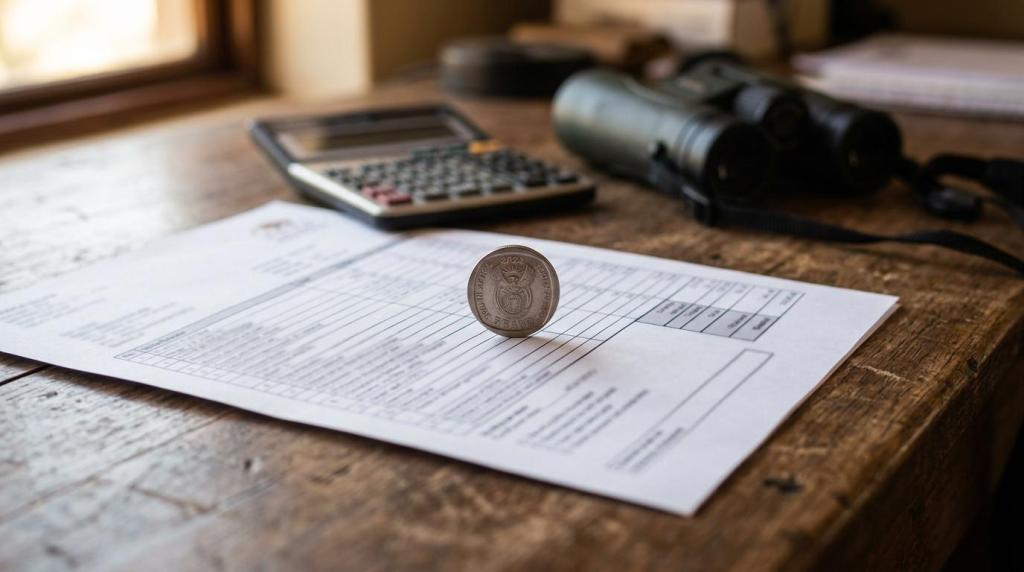
A good safari deal is not always the lowest number on the page.
When travelers start comparing Greater Kruger safari deals, the first price they see can be helpful, but it rarely tells the whole story. A room rate might include meals and game drives. Another might look cheaper, then add reserve levies, road transfers, premium drinks, and park fees later. That gap is where many budgets start to drift.
Greater Kruger is also not one single product. It includes private reserves with very different levels of exclusivity, guiding standards, wildlife density, vehicle policies, and lodge styles. A smart deal is the one that matches your safari goals and shows the real total before you book.
What Greater Kruger safari deals really cover
Most Greater Kruger safari deals are built from a few core parts: accommodation, meals, game-viewing activities, conservation-related charges, and transport. The challenge is that different operators package those parts differently.
A private reserve lodge may include twice-daily game drives, bush walks, all meals, and selected drinks in the nightly rate. A Kruger National Park package from Johannesburg may bundle transport and accommodation into one price, while park fees or some meals sit outside the headline number. That is why operator-published inclusions matter so much.
A simple quote can still hide a lot.
Before comparing two safari offers, check whether the total includes these items:
- Accommodation: per person sharing, single room, or family suite pricing
- Meals: full board, breakfast only, or all meals plus snacks
- Activities: game drives, bush walks, and special activities
- Transfers: road transfer, shuttle, charter flight, or airstrip pickup
- Fees and levies: park fees, conservation levies, reserve levies, sustainability charges
- Drinks and extras: house drinks only, premium drinks, laundry, spa, private vehicle use
Greater Kruger safari price ranges by reserve and lodge tier
Published 2026 pricing gives a useful snapshot of how wide the range can be. A Greater Kruger safari operator’s rate guide places entry private reserve pricing at roughly R4,500 to R8,000 per person per night, while luxury lodges can sit around R16,000 to R27,000 per person per night. That difference is driven by more than décor. Reserve reputation, access rules, vehicle limits at sightings, guiding quality, and lodge inventory all shape the rate.
At the very top end, individual camps can sit well above the broad luxury range. One published 2026 example from Tanda Tula lists its Safari Camp at R31,500 per person per night sharing, with a minimum 2-night stay. That rate includes accommodation, meals, game drives, guided walks, laundry, soft drinks, house wines, local beers and spirits, tea, coffee, mineral water, and transfers to and from Rockfig Airstrip.
Families should look carefully at how a lodge prices children and suites. Some camps price strictly per person. Others use a suite rate, then add extra adults or children. That can either save money or push the total up quickly, depending on group size.
Here is a practical way to compare the market:
| Safari option | Typical published price | Often included | Common extras |
|---|---|---|---|
| Kruger National Park package safari | Example from Johannesburg from R13,500 for 3 days | Transport, accommodation, game drives, some meals | Park fees, some meals, drinks |
| Entry-level Greater Kruger private reserve lodge | R4,500 to R8,000 per person per night | Room, meals, shared drives | Levies, transfers, premium drinks |
| Luxury Greater Kruger lodge | R16,000 to R27,000 per person per night | Full board, drives, often selected drinks | Flights, levies, spa, private vehicle |
| Flagship high-end camp example | R31,500 per person per night sharing | Meals, drives, walks, laundry, selected drinks, Rockfig transfer | Sustainability and reserve levies |
These are rate examples, not fixed rules, and they change by season and lodge.
Kruger park fees and private reserve levies to check
This is where the true cost of a safari deal becomes clear. If your trip includes Kruger National Park entry, the official daily conservation fee for 1 November 2025 to 31 October 2026 is R134 for South African citizens and residents, R275 for SADC nationals, and R602 for international visitors. SANParks applies adult rates to travelers aged 12 and older, with separate child rates for ages 2 to 11.
Those are official park fees, and they are separate from lodge pricing.
Private reserves in Greater Kruger can add their own conservation or sustainability charges. One published 2026 example shows how meaningful these can be: Tanda Tula’s international sustainability levy combines a Timbavati Conservation Levy of R660, a Foundation Fee of R200, a Land Management Levy of R590, and a Local Community Levy of R365. Taken together, that is R1,815 per person per night on top of the base rate.
This does not mean a lodge is overpriced. It means conservation has a real cost, and some camps show it separately instead of burying it in the room rate. Anti-poaching, fence maintenance, reserve operations, land management, and community support all need funding. For travelers, the important part is visibility.
When you review a safari quote, these are the line items that most often change the final total:
- Daily conservation fees
- Private reserve levies
- Sustainability levies
- Road transfers
- Scheduled flights
- Premium beverages
- Private vehicle supplements
- Spa treatments
Operator-direct pricing for Greater Kruger safari bookings
Operator-direct pricing usually means you are booking through the safari operator or a local safari specialist that works directly with the lodges and transport partners, rather than adding another sales layer between you and the product. The main benefit is clarity. You should be able to see what the lodge charges, what the reserve charges, and what your transport costs.
That matters a lot in Greater Kruger, where logistics can be the difference between a simple trip and an expensive one. A direct quote can often factor in timed road transfers, airstrip pickups, fly-in combinations, and reserve-specific rules from the start. That makes it easier to compare like for like.
Some local safari companies promote operator-direct prices and no hidden fees. That is useful, but only when the quote is detailed enough to prove it. A strong quote should clearly separate the room rate, levies, transfers, and optional add-ons. If any one of those is left vague, the deal is not ready to compare.
Operator-direct booking can also help with value in less obvious ways. A specialist who knows the Greater Kruger reserves can steer you toward a reserve that fits your priorities instead of pushing the most expensive camp. If your goal is strong Big Five viewing with fewer vehicles at sightings, you may get better value from a well-chosen mid-range lodge in the right reserve than from a more glamorous property that stretches the budget.
Smart ways to save on Greater Kruger safari deals
Saving money on safari is usually about structure, not sacrifice. You can still stay in a private reserve, still enjoy excellent guiding, and still have a memorable wildlife experience if you make a few smart choices before you book.
Timing is one of the biggest levers. So is reserve choice. A lodge in one Greater Kruger reserve may cost far less than a similar-looking lodge in another reserve because of reputation, exclusivity, sighting pressure, and vehicle policies. The game viewing can still be excellent.
These tactics often make the biggest difference: travel dates, reserve choice, and transport style. For those combining a luxury lodge stay with independent exploration, booking a few nights at a Hazyview Self-Catering establishment before or after your private reserve safari is a brilliant way to balance the overall trip budget.:
- Travel dates: shoulder season can offer better rates than peak holiday periods
- Reserve choice: compare value across Timbavati, Klaserie, Balule, Manyeleti, Kapama, Thornybush, and other reserves instead of focusing on one famous name
- Trip length: spreading transfer costs across 3 to 5 nights usually improves value
- Room setup: sharing rates are usually much lower than single supplements
- Transport style: scheduled road transfers often cost less than private transfers or charter flights
- Package design: one bundled quote can cost less than booking lodge, flights, and transfers separately
There is also a nationality angle. If your safari includes Kruger National Park, make sure the quote reflects the correct official conservation fee category for South African residents, SADC nationals, or international visitors. That is a small detail that can still affect the total.
If you are planning a honeymoon or a milestone trip, it can be smart to put more of the budget into the reserve and guiding, and less into extras you may barely use. A beautiful room matters, but a safari is still about time on the vehicle, tracker skill, and access to a strong wildlife area.
Questions to ask before paying for a Greater Kruger safari
The best way to judge a safari deal is to ask for the full landed price, then test what is inside it. A clean, professional quote should answer basic cost questions without back-and-forth.
Use these questions before you pay a deposit:
- What is the total per person cost: including accommodation, meals, activities, transfers, and all known fees?
- Which levies are excluded: park fees, reserve levies, sustainability charges, or community levies?
- Are transfers included: road transfers, airstrip pickups, or flights between Johannesburg, Cape Town, and the lodge?
- What drinks are included: soft drinks only, house drinks, or all beverages?
- What room basis is being used: per person sharing, single supplement, suite rate, or child rate?
- Are there minimum stay rules: especially at high-end camps with 2-night minimums?
- What costs remain optional: spa treatments, premium beverages, private vehicles, or gratuities?
One good answer sheet can save you from comparing mismatched quotes for days.
A safari deal is strongest when the numbers are easy to follow. If the room rate is fair, the levies are explained, and the logistics are sensible, you are in a much better place to choose on value rather than guesswork. That is how travelers turn a tempting headline price into a safari plan that actually holds up once every line item is counted.