A great wildlife image often comes down to access, timing, and patience. In the Greater Kruger, access is the piece many first-time safari photographers misunderstand.
If your goal is true off-road tracking for cats, elephants in thick bush, or a leopard moving through a drainage line, you are not really choosing between Kruger National Park and private reserves. You are choosing which private reserve gives you the right mix of wildlife density, skilled guiding, low vehicle pressure, and photo-friendly safari style.
Why off-road tracking matters for Greater Kruger photography
In public Kruger National Park, self-drivers and regular visitors must stay on designated roads. That model can be excellent for birding, landscapes, and patient roadside wildlife photography, but it is not an off-road tracking experience.
Private reserves in the Greater Kruger operate differently. Lodges run guided game drives with trained rangers and trackers, and in reserves where rules allow it, vehicles may leave the road to follow fresh tracks or reposition for a clearer sighting. That changes the photographic experience in a big way. You are no longer hoping an animal walks past the road. You are working with a guide team that reads spoor, alarm calls, animal behavior, and territorial patterns.
That does not mean vehicles can drive anywhere at any time. Ethical reserves still work within strict codes, and good guides place animal welfare first. For photographers, that is exactly what you want. Calm animals and respectful positioning usually lead to stronger images than a rushed or crowded sighting.
After you have photographed wildlife in both systems, the practical differences become obvious:
- Closer access: Better chances for intimate portraits and eye-level frames
- Cleaner angles: Fewer bushes, better light, less road clutter
- More time on subject: Especially useful for behavior and action
- quieter sightings
- stronger guide input
- better predator tracking
Best Greater Kruger reserves for off-road wildlife photography
Several reserves stand out consistently for photographers, though each has a slightly different feel. Some are famous for leopard reliability, some for quieter sightings, and some for easier access from Hoedspruit or Johannesburg.
The table below gives a practical starting point.
| Reserve | Why photographers choose it | Best for | Logistics profile |
|---|---|---|---|
| Sabi Sands | Outstanding leopard sightings, experienced guide-tracker teams, controlled sighting pressure | First-time safari photographers, leopard specialists, luxury travelers | Multiple access points, broad lodge range, strong fly-in options |
| Klaserie | Low tourism density, ethical sighting style, mixed terrain | Photographers who want fewer vehicles and a wilder feel | More intimate lodge style, quieter atmosphere |
| Thornybush | Off-road tracking, strong predator viewing, polished safari operation | Travelers wanting comfort plus serious game viewing | Easy access near Hoedspruit |
| Timbavati | Big Five strength, good wilderness character, wide lodge choice | Balanced safari with strong wildlife and good value across lodge tiers | Good road and air access, many lodge options |
| Umbabat | Uncrowded feel, off-road guiding, strong dry-season visibility | Return visitors who want a quieter alternative | Lodge-based access, lower-profile feel |
| Kapama | Easy fly-in convenience, strong infrastructure, reliable sightings | Short stays, comfort-focused trips, mixed-interest travelers | Very close to Hoedspruit Airport |
Sabi Sands for leopard photography and close predator sightings
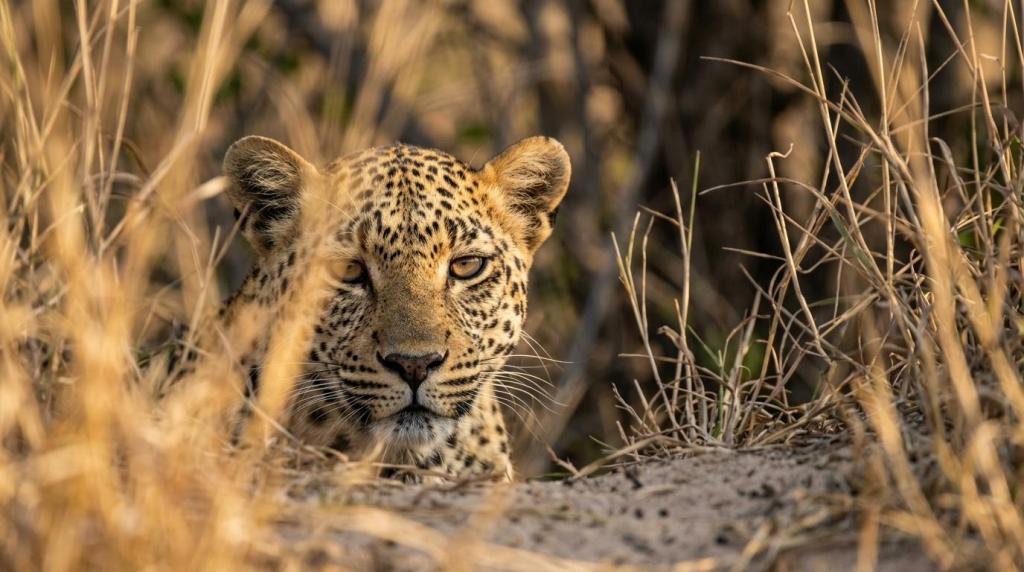
If leopard is your main subject, Sabi Sands is the benchmark. Few places in Africa have built such a strong reputation for reliable leopard encounters combined with skilled off-road guiding and relatively controlled vehicle numbers at sightings.
This matters because great leopard photography is rarely just about seeing one. You want time for the cat to settle, move, climb, or interact. Sabi Sands often gives photographers a better chance of that full sequence.
It also suits first-time safari photographers. The reserve has a broad lodge range, from more accessible options to some of the continent’s most exclusive camps, so there is more flexibility in style and price than many people expect.
Klaserie for quiet sightings and a less commercial atmosphere
Klaserie appeals to photographers who care as much about the feel of a sighting as the species list. It is known for low-density tourism, fewer vehicles at sightings, and a more understated wilderness mood.
That can be excellent for patient photography. Less crowding often means calmer scenes, cleaner backgrounds, and fewer moments where another vehicle blocks your frame just as a lion lifts its head.
Thornybush for a polished private-reserve photography experience
Thornybush is a strong middle ground. It offers off-road tracking, skilled guide teams, strong predator viewing, and a polished lodge experience that works well for travelers who want comfort without giving up serious safari quality.
For many photographers, Thornybush is a smart fit when the goal is reliable wildlife, easy logistics, and a safari that feels organized from start to finish.
Timbavati for wildlife variety and wilderness character
Timbavati has long been respected for conservation, wildlife quality, and a more spacious wilderness feel. It is often a good pick for photographers who want strong Big Five potential without focusing only on one flagship species.
Compared with the most famous private reserves, Timbavati can feel a touch less brand-driven and more grounded in classic safari rhythm. That suits people who want a broad portfolio: elephants in soft dawn light, buffalo herds in dust, lions at dusk, and birdlife between predator sightings.
Umbabat and Kapama for different styles of safari photography
Umbabat is often chosen by travelers who want a quieter, less mainstream private-reserve experience. It can be a very appealing option for repeat safari-goers who already know the bigger names and want something more low-key.
Kapama is almost the opposite in style, though not in quality. It stands out for convenience, comfort, and easy access near Hoedspruit. If you are flying in with camera gear and want to minimize long transfer times, Kapama deserves serious attention.
How to match a reserve to your photography goals
The right reserve depends on what you actually want to photograph, and how you like to work in the field. A birder, a cat specialist, a honeymoon couple with cameras, and a guest on their first safari may all choose differently.
A smart way to narrow the field is to rank your priorities before you book.
- Leopard priority: Sabi Sands is the strongest choice
- Quiet sightings: Klaserie and Umbabat deserve a close look
- Balanced Big Five safari: Timbavati works well
- Comfort and easy access: Kapama is hard to beat
- Predator focus with polished lodge style: Thornybush fits nicely
It also helps to ask about the lodge, not just the reserve. Two properties in the same reserve can offer very different photographic experiences depending on vehicle size, guide quality, and how much flexibility the drive format allows.
Here are the factors that matter most once you move past the reserve name:
- Vehicle occupancy: Six guests is usually easier for photography than eight or nine
- Guide and tracker team: Experience matters more than marketing language
- Terrain mix: Riverbeds, open savanna, and bushveld each photograph differently
- Sighting etiquette: Fewer vehicles and better rotation can improve every drive
- Transfer time: Important if you are carrying long lenses, beanbags, and backups
Best seasons for off-road photography in Greater Kruger
Season changes both the look of your images and the ease of finding subjects.
The dry season, usually May through September, is the classic time for straightforward wildlife viewing. Vegetation is thinner, animals spend more time near water, and predators can be easier to locate and photograph. If this is your first safari, or your main goal is a strong Big Five portfolio, dry months make life easier.
The green season, usually October through March or April, can be beautiful for a different reason. The bush is lush, skies are dramatic, migrant birds are around, and there may be newborn animals on the landscape. Sightings can be less simple because of thicker vegetation, but the photographic atmosphere is often richer.
Many photographers find the shoulder months especially attractive.
- March and April
- November
- softer light after summer rains
- good value at some lodges
- fewer crowds than peak periods in some cases
Off-road tracking rules, permits, and ethical photography
This area causes a lot of confusion, especially for travelers planning their first private-reserve safari.
In most Greater Kruger private reserves, ordinary guests do not apply for a separate personal off-road permit. The off-road access is generally part of the lodge’s guided safari operation. Your permission comes through staying at the lodge and joining its drives, not through self-driving or independent route planning.
Commercial filming and specialized shoots are different. If you are traveling for publication, advertising, workshops, or any production with formal output requirements, confirm rules well in advance with the lodge or safari planner. Public Kruger also has formal filming and photography application processes, and drones are not allowed there without permission.
Good photography in private reserves is built on restraint as much as access. A strong guide will not crowd an animal just because a guest wants a cleaner shot. That may feel frustrating in the moment, but it protects behavior, safety, and the long-term quality of sightings.
Practical booking questions for an off-road photo safari
Before you pay a deposit, ask a few direct questions. This can tell you more than a glossy brochure ever will.
- How many guests per vehicle: This affects space, angles, and flexibility
- Is there a tracker on every drive: Ranger-only drives can still be good, but a tracker often adds a lot
- How often is off-road driving used: Some lodges mention it, but use it less actively
- What is the reserve policy at sightings: Time limits and vehicle limits matter
- Can seat preferences be requested: Left-right positioning can shape every drive
- Are private vehicles available: A major plus for serious photographers
One more practical point: book enough nights. A two-night safari can be exciting, but it is short for photography. Three nights is a much better minimum, and four or five nights gives you time to work through weather changes, missed chances, and repeat sightings.
That extra time is often what turns a pleasant wildlife trip into a safari where you come home with the frames you actually hoped for.