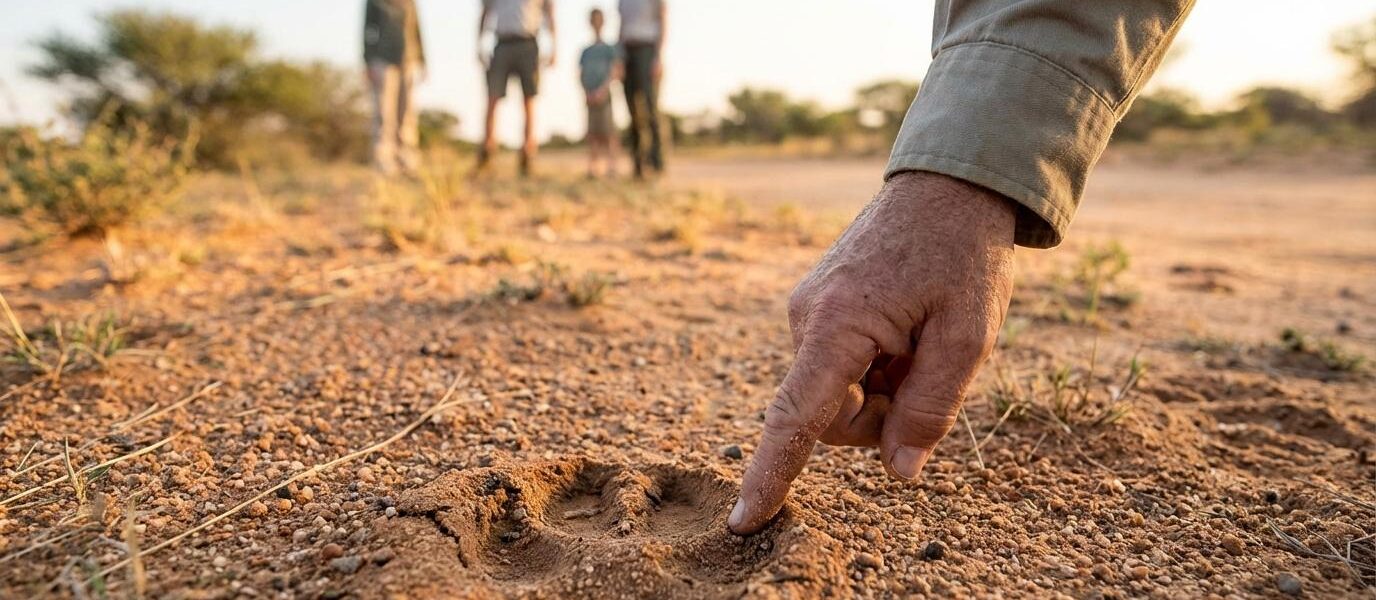
A family safari in Greater Kruger can be one of those rare trips that feels exciting for every age group at once. Parents get the drama of lion sightings and sunrise drives, kids get a front row seat to real wild places, and teenagers get the kind of story they will still be talking about years later.
The key is not booking “any safari” and hoping it works for children. A good family safari depends on matching ages, activities, room layouts, and lodge rules before anything is confirmed. In Greater Kruger, that matters because each lodge and reserve may have its own child policy, even when the wildlife experience looks similar on paper.
Why Greater Kruger works so well for families
Greater Kruger gives families access to a true safari setting with a wide range of lodge styles, from easy mid-range stays to private family villas in sought-after reserves. It also offers something many families need: choice. You can prioritize shorter transfers, private vehicles, flexible meal times, fenced camps, or child-friendly activity programs depending on who is traveling.
That flexibility matters because family travel is rarely one-size-fits-all. A couple traveling with a six-year-old has very different needs from grandparents traveling with teens, or parents traveling with a toddler and an older sibling. In Greater Kruger, there are usually several ways to build the same dream trip with a much better fit for your group.
Another big advantage is pacing. Family safaris do not need to feel rushed. Morning drives, pool time, downtime in camp, and late afternoon outings create a rhythm that tends to suit children better than back-to-back sightseeing days in a city.
Age matters more than people expect
When families start planning, the first question is often, “Will my children be allowed on safari?” The honest answer is yes, often they will, but not always in the same way.
The most important distinction is between open vehicle game drives, bush walks, and lodge-based children’s activities. Park and reserve safety rules shape all three, and these rules are there for good reason.
| Age group | Game drives | Bush walks | Typical lodge experience |
|---|---|---|---|
| 0 to 3 years | Usually not permitted on open safari vehicles | Not permitted | Family room or suite, lodge downtime, pool time, simple supervised activities where available |
| 4 to 5 years | Sometimes allowed in private reserves, but policies vary widely | Not permitted | Shorter or flexible drives at some lodges, children’s programs, family-focused scheduling |
| 6 to 11 years | Commonly allowed on game drives, subject to lodge policy | Not permitted until 12+ | Strongest range of family activities, child-friendly guiding, family suites |
| 12 to 17 years | Fully included on standard drives | Usually eligible from age 12 | Very close to adult safari experience, with added options for learning and adventure |
For many families, the sweet spot starts around age six. At that stage, children can often join game drives, follow guide instructions, and stay engaged for longer sightings. By age 12, most safari activities open up, including guided bush walks where offered.
That said, “allowed” does not always mean “ideal.” A four-year-old may technically be welcome at one lodge and not at another. A teen may be priced as an adult at many properties. The details can change from lodge to lodge, even within the same Greater Kruger region.
What each age group can realistically enjoy
Toddlers and infants need the most careful planning. Open vehicle drives are usually not an option, and guided walks are off the table. Families with very young children often do best in lodges that offer spacious family accommodation, safe outdoor areas, and enough flexibility for one parent to stay back while the other heads out on a drive.
Young children, especially from six to eleven, are often the happiest surprise on safari. They tend to love animal tracking, bird calls, dung beetles, giraffes crossing the road, and every bump in the vehicle. They also respond well to guides who turn sightings into stories and little games.
Teenagers usually settle in quickly once the first big sighting happens. The mix of early starts, real wildlife, and a bit of independence appeals to them more than many parents expect. They are also old enough to appreciate the quieter parts of safari, including listening for alarm calls, reading tracks, and walking with a guide where permitted.
After parents get a clear age-based picture, these practical points become much easier to sort out:
- Private family vehicle
- Interleading rooms
- Family suite or villa
- Child rates versus adult rates
- Minimum age for walks
- Pool and downtime options
The best family safari activities are not only about the Big Five
A common mistake is to assume children will only care about lions, leopards, elephants, rhinos, and buffalo. Many kids do love the headline animals, but what keeps them engaged is variety.
A good family safari often includes interactive guiding, breaks between activities, and room for curiosity. Children enjoy being part of the experience rather than just observing it from a seat.
That can include:
- Game drives: Morning and afternoon outings with a guide who adjusts the pace, answers questions clearly, and keeps younger guests involved.
- Kids’ nature programs: Craft sessions, spoor identification, wildlife quizzes, storytelling, or simple junior ranger style activities where available.
- Pool and lodge time: Essential downtime between drives, especially in warmer months or when children are still adjusting to early wake-ups.
- Teen-friendly adventure: Bush walks for eligible ages, photography, stargazing, and deeper conversations about conservation and animal behavior.
Many lodges also understand that children need shorter attention cycles. A two-hour sighting may thrill wildlife photographers, but families often do better with a guide who reads the mood of the vehicle and keeps the outing lively.
Bush walks and why the age limit matters
Walking in the bush is one of the most memorable parts of a Greater Kruger safari, but it is also one of the most tightly controlled. In general, children under 12 are not allowed on guided bush walks.
This is not a minor policy point. It affects the whole shape of a family itinerary. Family trekking operators in the Alps make the same point: match route length, supervision and recovery to age, as Montblanc Adventure explains in its guide to hiking the Tour du Mont Blanc with children. If parents are excited about walking safaris but are traveling with younger children, they may need a lodge with flexible alternatives, supervised children’s activities, or enough in-camp comfort to make split activities easy.
For older children and teens, though, a bush walk can be a turning point in the trip. Seeing tracks on the ground, learning how wind direction matters, and being at eye level with the bush creates a different kind of excitement from vehicle-based safari.
Lodge policies can vary a lot
This is where careful planning really pays off. Two lodges may both look family-friendly online, yet one may welcome all ages in a dedicated family suite while the other may only allow children above a certain age in standard rooms.
Families should expect differences in several areas:
- Minimum age rules: For open vehicle drives, bush walks, and sometimes even certain room categories.
- Room sharing policies: Some lodges allow two children to share with parents, while others have stricter occupancy limits.
- Private vehicle requirements: A lodge may allow younger children on drives only if the family books a private vehicle.
- Teen pricing: Many properties treat children aged 12 and older as adults for rates.
These policies are not there to make family travel harder. They usually reflect safety, room layout, guide logistics, and the style of experience the lodge is trying to offer.
Family accommodations to look for
The room setup can make or break a safari with children. On paper, a standard suite may seem fine. In practice, a proper family room, interleading setup, or private-use villa can make the whole trip smoother.
Families often do best when they ask about the sleeping arrangement in plain terms. Is there a real second bedroom? Is the extra bed a sofa bed in the same room? Will a travel cot fit comfortably? Does the bathroom open directly into the main suite? Small layout details matter a lot after an early wake-up and a late dinner.
A strong family setup often includes a few practical wins:
- Interleading rooms
- Family suites with extra beds
- Private villas or houses
- Easy access to the main lodge
- Pool area with clear supervision rules
For families with toddlers, the distance between room and main lodge can matter just as much as the room itself. A long raised walkway may look beautiful in photos, but it can feel very different when carrying a sleepy child after dinner.
Safety, supervision, and what families should expect
Safari lodges take safety seriously, and families should expect clear rules. Children are usually expected to remain seated in vehicles, keep voices low during sightings, and follow guide instructions right away. Near camp, parents are generally responsible for active supervision, especially around pools and walkways.
It helps to frame these rules positively before the trip. Kids usually respond well when they know safari is a real wild environment, not a theme park. That sense of responsibility can actually add to the excitement.
Parents should also plan for comfort, because comfort and safety often go together on safari. Bring layers for cool morning drives, sun protection, closed shoes, and any child-specific medical needs. Malaria advice should always be checked with a qualified medical professional well before departure.
Booking terms families should check before paying a deposit
Rates for children can be less straightforward than people expect. A child rate often applies only when children share with two full-paying adults, and that can change if the room setup changes. In many cases, teens are charged as adults. With infants, some lodges allow sharing at a reduced rate, while others require a specific room category.
Before confirming, it helps to ask direct questions and get the answers in writing.
- Child rate basis: Is the rate valid only when sharing with two adults?
- Ages at travel date: Which age matters for pricing, the child’s age at booking or at check-in?
- Activity access: Which drives, walks, or children’s programs are allowed for each child in the booking?
- Room occupancy: How many adults and children can the chosen room actually sleep comfortably?
- Deposit and cancellation terms: Are the penalties the same for children and adults? Usually they are.
This is also where working with a safari specialist can make a big difference. It is much easier to compare family policies across lodges before booking than to fix a mismatch after flights are already in place.
How to choose the right safari by family stage
Families with children under six usually benefit from shorter stays, easy logistics, and lodges that truly welcome younger guests rather than merely permit them. The focus should be comfort, flexibility, and low stress.
Families with kids from six to eleven often have the broadest set of good options. This is a great age for classic game drives, junior ranger activities, and the kind of wide-eyed reactions that make a safari feel new again for adults too.
Families with teens can often aim for a more traditional safari rhythm, including longer drives, more remote-feeling lodges, and activities with a stronger adventure element. At this stage, it may even make sense to choose a lodge known for wildlife density and guiding quality over a lodge with a big children’s program.
The best family safari is rarely the one with the most features. It is the one where the children are allowed to take part in the experience in a way that suits their age, energy, and confidence. In Greater Kruger, that match is very possible, and when it is done well, the result is not just a vacation. It is the kind of shared memory families keep returning to.