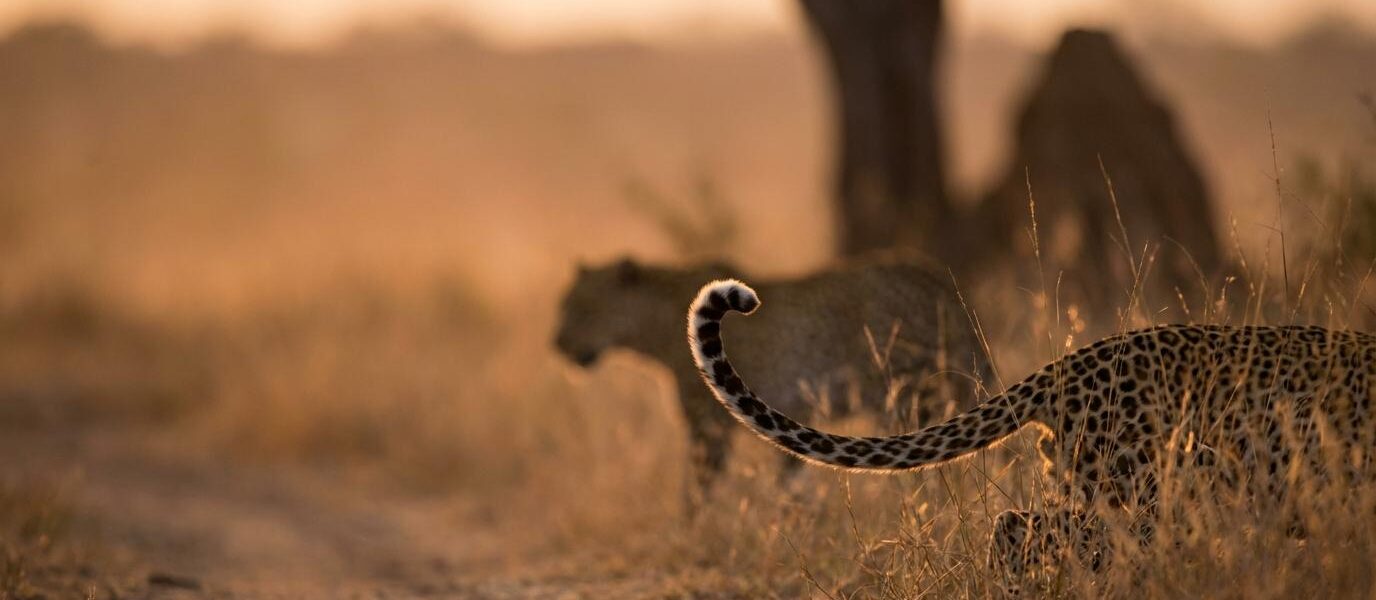
A Big Five safari becomes far more rewarding when you stop looking only for animals and start watching for behavior. Movement in the grass, a change in posture, a flick of an ear, or the sudden silence of birds can all say more than a quick glimpse ever will. Those signs help with sightings, but they also shape better photographs and safer viewing.
The best wildlife images usually come from a few extra minutes of patience. Instead of racing from one sighting to the next, it helps to read the mood of the animal, notice what it may do next, and be ready before the action happens. In places like the Greater Kruger, where guides and trackers often work from these small clues, behavior is what turns a game drive into a memorable encounter.
If you’re basing yourself near the park, staying close to key routes can make early starts and late returns easier, especially for photographers chasing the best light. Options around Hazyview can be a practical launch point for Kruger-focused days, including:
- Accommodation in Hazyview – Tembo Guest lodge
- Hazyview Accomodation – Tembo Guest lodge
- Hazyview Guesthouse – Tembo Guest lodge
- Hazyview Self Catering Accommodation – Tembo Guest lodge
- Kruger Accommodation – Tembo Guest lodge
- Kruger Park Accommodation – Tembo Guest lodge
Why behavior matters more than luck
Anyone can be lucky on safari. What makes a sighting feel special is knowing why an animal is standing there, moving that way, or reacting to others around it. A lion lying flat in the shade may look inactive, but the same pride lifting their heads at dusk can signal that the evening hunt is close. An elephant herd bunched tightly with calves in the center tells a very different story from a loose, relaxed group feeding across the bush.
Behavior also improves timing for photography. A still subject can make a beautiful portrait, but the strongest wildlife images often come a moment before the obvious action. That moment may be when a leopard shifts its weight before climbing, when a buffalo bull turns to face a rival, or when a rhino lifts its head to test the wind.
A few signs often point to an interesting sighting nearby:
- Alarm calls from birds
- Fresh tracks and dung
- Animals staring in one direction
- Sudden stillness in the bush
- Tails, ears, and body posture changing quickly
A quick field guide to the Big Five
The Big Five were once named for the difficulty and danger involved in tracking them on foot. Today, the phrase has become shorthand for Africa’s most sought-after wildlife sightings: lion, leopard, elephant, buffalo, and rhino. Each species behaves differently, and those patterns can help visitors know where to look and when to lift the camera.
| Animal | Behavior to watch | Best time for activity | Photo opportunity |
|---|---|---|---|
| Lion | Pride interaction, listening, scent-marking, stalking | Early morning, late afternoon, night | Low-angle portraits, interaction shots, dramatic light |
| Leopard | Scanning, tail flicks, climbing, dragging prey | Dawn, dusk, night | Tree poses, eye contact, movement through grass |
| Elephant | Feeding rhythm, trunk use, herd protection, dust bathing | Morning and late afternoon | Family scenes, backlit dust, trunk detail |
| Buffalo | Herd movement, mud wallowing, defensive grouping | Morning and late afternoon | Large herd scenes, textured close-ups, action with oxpeckers |
| Rhino | Scent-checking, territorial scraping, browsing or grazing | Cooler hours | Side profiles, horn silhouette, calm habitat portraits |
Lion behavior and the art of waiting
Lions are often seen resting, which can make them seem predictable. In reality, they shift from stillness to activity very quickly, especially as temperatures drop. A pride that has spent hours sleeping may suddenly become alert when another lion calls in the distance, when prey moves nearby, or when the light starts to soften. Watch the ears first. When multiple lions begin listening in the same direction, something is changing.
Social behavior gives some of the richest lion images. Cubs climbing over lionesses, males greeting one another, or a pride moving together at dusk adds context and emotion that a single resting portrait cannot. If the cats are relaxed, keep watching after the first few frames. The better image often arrives after the yawn, when one lion looks across at another, or when the whole group rises almost at once.
Hunting behavior is harder to witness, but the clues are clear. Lions lower their bodies, become focused, and spread out with purpose. Vehicles generally keep a respectful distance, so long lenses help, but even from farther away the scene can be powerful if the composition includes grass, light, and tension.
Leopard sightings start with small clues
Leopards reward patience more than almost any other Big Five species. They are solitary, quiet, and often hidden in places that look empty at first glance. A leopard’s outline can disappear into a leadwood tree, a termite mound shadow, or long grass just off the road. Because of that, their behavior is often revealed before the full animal is.
One of the best clues is where the leopard is looking. If it is focused upward, there may be prey in a tree or vultures nearby. If it scans repeatedly through dense brush, it may be watching impala or listening for baboons. A flicking tail often suggests alertness or mild irritation, while a relaxed leopard draped over a branch can stay still for long stretches.
Photographically, leopards offer some of the most elegant moments on safari. Tree-climbing scenes are iconic, but simple ground-level movement can be just as strong. Try to keep space in front of the animal rather than cropping tightly. That extra room gives the image a sense of direction and tension.
Leopard photography gets better when you look for these moments:
- Walking with purpose through filtered light
- Resting on termite mounds or fallen logs
- Eye contact from a tree branch
- Prey-carrying behavior
- Cubs emerging cautiously from cover
Elephant behavior is written across the whole body
Elephants communicate constantly. Their mood does not sit in one feature alone, but in the combination of ears, trunk, tail, feet, head position, and how close individuals stay to one another. A relaxed herd often feeds steadily, dusts itself, and moves with a slow rhythm. Calves weave in and out between adults, and older females keep a loose formation while browsing.
A more alert elephant looks different right away. The head lifts, the trunk may curl inward to scent the air, the ears spread, and the body becomes more direct. That does not always mean danger. Elephants are curious, and they often pause to assess a vehicle before returning to what they were doing. Calm observation from the guide and sensible distance are key.
For photographers, elephants offer scale, texture, and strong family storytelling. Close portraits of wrinkled skin and tusks can be striking, but wider scenes often tell the fuller story, especially when several generations appear in one frame. Dust, side light, and the shape of trunks can turn a common sighting into a memorable image.
Helpful elephant signals to recognize include:
- Relaxed mood: steady feeding, soft ear flaps, loose trunk movement
- Alert curiosity: head raised, trunk scenting, still posture
- Protective behavior: calves pulled inward, adults closing ranks
- Mild irritation: repeated ear spreading, direct stance, focused attention
Buffalo are never as simple as they look
Cape buffalo can seem less dramatic than cats at first, yet they are full of tension, hierarchy, and movement. Herds operate with constant low-level communication, and their mood can change quickly around water, predators, or rival bulls. When the herd is calm, you will see steady grazing, casual spacing, and animals lying down to ruminate. When they become unsettled, heads lift together and the group tightens.
Old bulls, often seen alone or in small bachelor groups, make especially strong subjects. Their heavy bosses, scarred faces, and mud-covered hides photograph beautifully in soft light. A lone bull standing in dark water or staring from a dust-coated road can produce one of the most character-filled Big Five portraits of the trip.
Buffalo also attract other stories. Oxpeckers feeding on their backs, egrets walking between their legs, and tense interactions near lions all add context. Keeping some habitat in the frame helps show their mass and the scale of the herd, rather than isolating a single headshot every time.
Rhino sightings demand calm observation
Rhino encounters are powerful because they often feel ancient and quiet. Whether black rhino or white rhino, their body language matters. White rhino usually graze with a lower head carriage and a more settled rhythm, while black rhino, which browse more selectively, can appear more alert and abrupt in movement. Either way, they rely heavily on smell and hearing, and they often pause to test the air before deciding where to go.
A rhino that is relaxed will continue feeding, walking slowly, or standing in the shade with little sign of concern. If it becomes unsure, the head comes up, the ears turn independently, and the body angles toward the source of interest. On safari, this is where careful vehicle positioning and quiet behavior make a difference. Respectful viewing creates the space for natural behavior to continue.
For photos, side profiles work well because they show the shape of the head and horn clearly. Early or late light can define the curve of the back and the texture of the skin. If the rhino is walking, try to capture the moment when the front leg steps forward and the head is slightly raised. That gives the frame shape and presence.
Reading the scene around the animal
Spotting the Big Five is not only about the animals themselves. The rest of the bush often announces them first. Impala snorting, baboons barking, or vultures circling may all point to movement nearby. Even the direction in which zebra or wildebeest stare can give away a predator before it becomes visible.
This is one reason guided safaris in prime wildlife areas tend to feel so productive. Skilled guiding is often about putting many small signs together: tracks on the road, alarm calls in a thicket, fresh scent-marking, dust hanging in the air, or the timing of when certain species move toward water. Guests who know a little behavior can enjoy that process more deeply and anticipate the moment instead of reacting after it has passed.
Better photos come from better fieldcraft
Good wildlife photography begins long before the shutter clicks. Clothing in muted colors, slow movements, and quiet voices all help reduce disturbance. So does resisting the urge to shift position too often in the vehicle. Animals notice restless energy.
A few simple habits can make a big difference:
- Watch before shooting: behavior often reveals the stronger image
- Leave space: frame for movement, not just a tight portrait
- Use the light: side light and backlight add depth and atmosphere
- Focus on the eyes: when they are visible, they carry the frame
- Stay patient: one extra minute can change everything
It also helps to vary your shot list. Take the classic close-up, then look wider. Include habitat, weather, dust, other animals, and group interaction. A lion in golden grass, an elephant herd crossing a dry riverbed, or a leopard balanced in a marula tree says more about safari than a cropped face alone.
The most memorable Big Five images tend to feel alive because they hold a hint of what happened before and what may happen next. That comes from behavior. Once you start reading the signs, sightings become richer, photography becomes more intentional, and every game drive feels less like a checklist and more like a story unfolding in real time.