Choosing unfenced safari lodges in Greater Kruger is really about choosing the right reserve, not just the prettiest room. The strongest options sit in private reserves like Sabi Sands, Timbavati, Klaserie, Umbabat, and Balule that share open borders with Kruger National Park.
TL;DR: Summary
- The best unfenced safari lodges in Greater Kruger are usually found in private reserves with open borders to Kruger National Park, especially Sabi Sands, Timbavati, Klaserie, Umbabat, and Balule; strong lodge shortlists include Elephant Plains, Nkorho, Motswari, Umlani, Simbavati River Lodge, Africa on Foot, Kambaku, and Baluleni.
- In Greater Kruger, “unfenced” usually means wildlife can move across the reserve boundary, not that guests can enter directly from Kruger National Park or that every lodge perimeter is completely open.
- Sabi Sands is often the safest bet for first-time Big Five travelers, Timbavati and Klaserie usually feel wilder and less busy, and Balule is often a better value entry point.
- Verify the reserve name before booking. Sabi Sands covers 49,481 hectares and requires entry through reserve access gates, not directly from Kruger National Park.
- Logistics are commonly easiest via Hoedspruit, Skukuza, or a timed road transfer from Johannesburg, and dry-season months from May to September usually offer the easiest game viewing.
Because “unfenced” gets used loosely in safari marketing, travelers often mix up three different ideas: open wildlife boundaries, lodge safety, and guest access routes. Getting those distinctions right helps you choose a stay that matches your wildlife priorities, comfort level, and total trip budget.
What does “unfenced” mean at a Greater Kruger safari lodge?
In Greater Kruger, “unfenced” usually means reserves like Sabi Sands and Timbavati share an open boundary with Kruger National Park. It does not mean guests can drive in from Kruger whenever they want, and it does not mean every lodge lawn is open on all sides.
This distinction matters. The Greater Kruger landscape is often described by reserve operators as a connected area of roughly 39,000 square kilometres across South Africa, Mozambique, and Zimbabwe. In practical safari terms, that means animals move through a much larger ecosystem than a closed, isolated reserve.
A common misconception is that “unfenced lodge” means “no rules.” It usually means the reserve has an open wildlife boundary, while the lodge itself may still have camp protocols, escorts after dark, or a lightly defined perimeter for guest safety. If you want the classic private reserve feel with free-moving wildlife, this is the phrase that matters most.
Why do travelers choose unfenced safari lodges in Greater Kruger?
Travelers choose unfenced Greater Kruger lodges for freer wildlife movement and more private guiding than public Kruger camps. Sabi Sands and Klaserie are strong examples because animals cross open borders while tourism stays relatively low density.
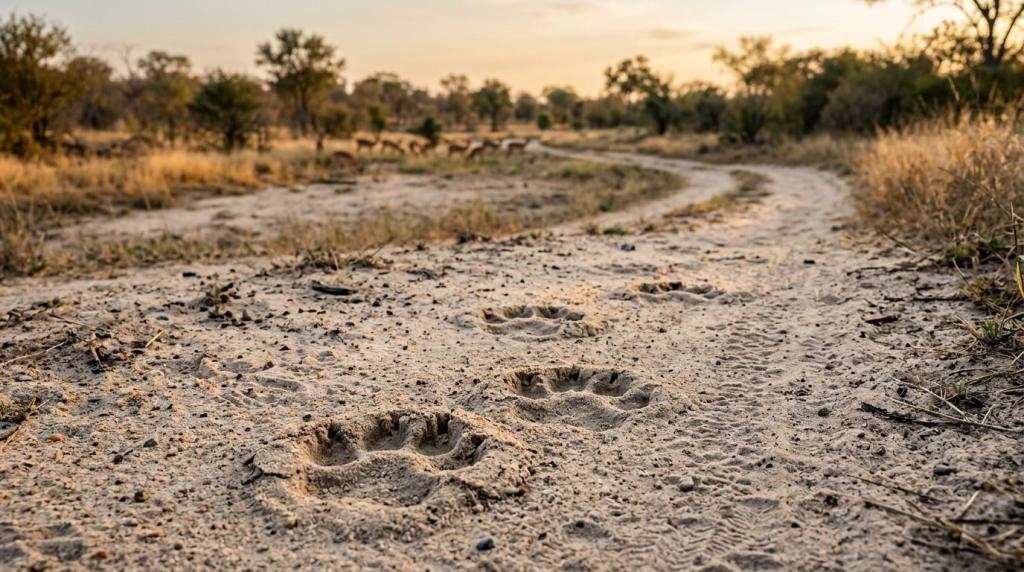
The appeal is not only the Big Five. Open-border private reserves can deliver a stronger sense of continuity: tracks crossing a riverbed at dawn, predators moving between habitats, and game drives that feel less constrained by a park fence line. That usually creates a more immersive safari rhythm, especially when paired with private reserve activities like bush walks or off-road tracking where allowed.
“Kruger Safari Africa describes Greater Kruger as a network of eight private reserves sharing open fencelines with Kruger National Park.”
There are trade-offs. Unfenced private reserves are rarely the cheapest way to visit the Kruger region, and they are not built around self-drive freedom. If your main goal is guided sightings, fewer vehicles per sighting, and a more lodge-based safari, the extra cost often makes sense. If you want maximum independence and a lower nightly rate, a public Kruger rest camp may fit better.
What are 8 unfenced safari lodges in Greater Kruger worth shortlisting?
The strongest shortlist spans Sabi Sands, Timbavati, Klaserie, Umbabat, and Balule. These reserves are repeatedly chosen because they sit inside the connected Greater Kruger ecosystem rather than a closed standalone park.
Think of this list as a planning shortlist, not a one-size-fits-all ranking. The key filter is whether the lodge sits in a reserve with an open border to Kruger National Park.
- Elephant Plains Game Lodge, Sabi Sands: A widely recognized Sabi Sands option; Kruger Safari Africa lists rates from R7,300 per person per night sharing and a maximum of 24 guests.
- Nkorho Bush Lodge, Sabi Sands: A useful Sabi Sands choice for travelers who want access to one of the best-known open-border reserves.
- Motswari Private Game Reserve, Timbavati: A classic Timbavati stay inside a reserve that shares an unfenced boundary with Kruger.
- Umlani Bushcamp, Timbavati: A strong fit for travelers who want a more traditional bush feel in a low-density private nature reserve.
- Simbavati River Lodge, Timbavati: Good for guests who want polished lodge comfort while staying in an unfenced Greater Kruger setting.
- Africa on Foot, Klaserie: Often shortlisted by travelers who care about walking safaris and a smaller-camp atmosphere.
- Kambaku Safari Lodge, Timbavati: A sensible Timbavati option for guests prioritizing reserve quality over brand noise.
- Baluleni Safari Lodge, Balule: A practical pick for travelers who want an unfenced reserve experience with easier Hoedspruit access.
A useful pro tip is to compare reserve, guide style, room category, and transfer cost before comparing décor. Two lodges can look similar online but deliver very different safari value depending on where they sit and how they operate.
“Kruger Safari Africa lists Elephant Plains Game Lodge from R7,300 per person per night sharing, with a maximum of 24 guests.”
That is why experienced planners often start with reserve choice first, then narrow the lodge list inside that reserve.
How can you tell whether a lodge is truly in an unfenced Greater Kruger reserve?
Start with the reserve name, then verify the boundary status with official reserve sources like Sabi Sands or Timbavati. If a sales page says “Greater Kruger” but cannot name the private reserve, treat that as a warning sign.
Step one is simple: ask, “Which reserve is this lodge in?” “Greater Kruger” is a region, not a reserve. A lodge in the broader area is not automatically in an open-border private reserve.
Step two is to confirm the reserve relationship with Kruger National Park. Sabi Sands officially states that it shares an open border with Greater Kruger National Park. Timbavati states that it shares a common unfenced boundary with Kruger National Park. That kind of language is the proof you want.
Step three is to check access wording. Sabi Sands is a good example of why this matters. Guests cannot enter directly from Kruger National Park and must use one of the reserve’s access gates. So if a seller implies you can casually drive from a Kruger camp into Sabi Sands, that is not how entry works.
How do Sabi Sands, Timbavati, Klaserie, Umbabat, and Balule compare?
Sabi Sands is the strongest fit for first-time Big Five seekers, while Timbavati and Klaserie suit travelers who want a wilder, less trafficked feel. Balule is often easier on price, and Umbabat stays smaller and quieter.
Reserve choice shapes the whole trip. It affects sighting style, transfer practicality, camp density, walking culture, and how polished or raw the safari feels.
- Sabi Sands: Best for first-time luxury or upper mid-range safaris, famous for strong Big Five viewing, and officially measured at 49,481 hectares with an open border to Greater Kruger.
- Timbavati: Strong for classic bush atmosphere, low-density tourism, and walking safari culture inside the wider Greater Kruger National Park landscape.
- Klaserie: Usually a better fit for repeat safari-goers who want space, quieter roads, and less showy lodge styling.
- Umbabat: A smaller, understated option for travelers who care more about privacy and reserve character than brand recognition.
- Balule: Often one of the more practical value options, especially for travelers using Hoedspruit and Eastgate Airport.
If leopard reputation and highly polished guiding matter most, Sabi Sands usually gets the first look. If you want a more rugged atmosphere with fewer moving parts on the road, Timbavati or Klaserie often feels more natural. If budget pressure is real, Balule can be the smarter starting point.
Are unfenced safari lodges safer or riskier than fenced lodges?
Unfenced does not automatically mean less safe. Reputable lodges in Sabi Sands and Timbavati use camp rules, trained staff, and guiding protocols designed for dangerous game areas.
The real difference is behavioral, not dramatic. In an unfenced setting, guests may be asked not to walk alone after dark, not to leave rooms without checking surroundings, and to follow ranger instructions closely. Those are normal safari rules, not signs that something is wrong.
A common mistake is assuming a fenced camp removes all wildlife risk. It does not. Fences reduce some movement patterns, but safari safety still depends on staff discipline, guest behavior, visibility, and good operating procedures. If you are traveling with very young children or someone who wants resort-style freedom to roam at any hour, ask directly about escorts, pathways, and room layout before booking.
How should you choose the right unfenced lodge for your budget and travel style?
Match the lodge to the trip, not the label. Couples often prioritize Sabi Sands or Timbavati guiding, while families and mixed-budget groups may do better with Balule or selected mid-range lodges.
Start with the outcome you want most. A honeymoon safari, first Big Five trip, photography stay, and family holiday do not need the same lodge type, even inside the same reserve.
- Big Five priority: Start with Sabi Sands or established Timbavati lodges.
- Walking safaris: Focus on reserves known for low-density tourism and strong guiding culture, especially Timbavati or Klaserie.
- Value focus: Compare Balule against outer Sabi Sands rates and transfer costs.
- Family fit: Check child age policies, room layout, private vehicle options, and drive length.
- Fly-in ease: Favor lodges with clean routing through Hoedspruit, Skukuza, or timed road transfers.
Then price the whole safari, not just the room. A lodge with a lower nightly rate can become more expensive once charter flights, reserve fees, or long private transfers are added. If your budget has a ceiling, say so early. That usually produces better options than asking for “the best lodge.”
How do flights, road transfers, and access gates work for unfenced Greater Kruger lodges?
Most unfenced Greater Kruger lodges are easiest via Hoedspruit or Skukuza, with some trips routed from Johannesburg or Cape Town. Sabi Sands uses reserve access gates, and Balule is commonly linked to Eastgate Airport in Hoedspruit.
Step one is choosing the right gateway airport or road transfer. Many private reserve safaris are built around Hoedspruit, while some Sabi Sands stays work well through Skukuza or scheduled road transfers from Johannesburg or Cape Town. That choice often matters more than the city you first land in.
“Kruger Safari Africa says Eastgate Airport in Hoedspruit is the closest airport to most Balule lodges.”
Step two is checking reserve access rules. Sabi Sands is the clearest example: even though it shares an open border with Greater Kruger, guests cannot enter directly from Kruger National Park. You must use one of the reserve’s access gates, which affects self-drive timing, transfer planning, and after-dark arrival rules.
Step three is matching flight times to lodge logistics. Timed transfers, road conditions, and gate closing times can shape the day more than the flight itself. If you arrive too late, you may miss the transfer window or lose your first game drive. That is one reason many travelers prefer one coordinated booking rather than piecing flights and lodge transport together separately.
When is the best time to book an unfenced Greater Kruger safari?
Dry-season months from May to September usually make wildlife easier to spot, while green-season months bring fuller landscapes and thicker bush. Sabi Sands and Timbavati work year-round, but the experience changes.
If your priority is clean visibility, thinner vegetation, and easier game tracking, the dry season is the safer bet. Water becomes scarcer, bush cover drops, and sightings often feel more concentrated. This is the period many first-time safari travelers prefer.
If you care about dramatic skies, greener scenery, migrant birds, and lower-season pricing at some lodges, the summer rains can be rewarding. The trade-off is thicker vegetation and hotter afternoons. Photographers often split the difference by traveling in shoulder months when the bush is not at its thickest but the landscape still has color.
A practical rule works well here: if this is your first safari and animal visibility matters most, book dry season. If this is your second or third safari and you want mood, birdlife, and softer rates, consider the greener months.