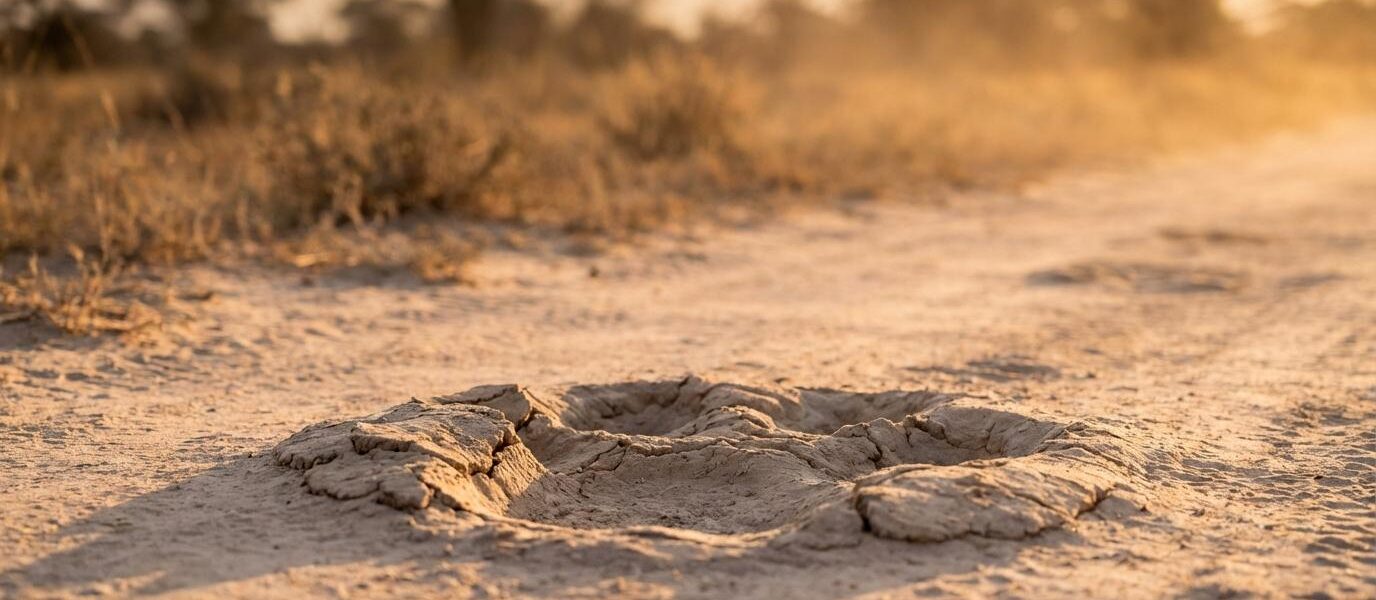
Greater Kruger is a place you can visit any month of the year and still have a real shot at the Big Five. The question is not “Is it worth going?” but “What do you want the safari to feel like?”
Some travelers want crisp mornings, open bush, and long sightings at waterholes. Others want dramatic skies, newborn animals, and the lush green vegetation that makes photos feel alive. The best time to visit Greater Kruger depends on that personal mix of wildlife visibility, weather comfort, budget, and crowd levels.
A quick way to think about seasons in Greater Kruger
Greater Kruger sits in a summer rainfall region. That creates two distinct safari moods.
The dry season (May to September) is the classic “easy viewing” window. Grasses are shorter, many trees are leafless, and animals spend more time at permanent rivers and waterholes. Days are generally sunny with low humidity, while early mornings on game drives can be cold.
The wet or green season (October to April) brings heat, humidity, and thunderstorms, plus thick vegetation and many temporary water sources. It is beautiful and productive for wildlife, but animals can be more spread out and harder to spot in dense bush. Birding is excellent in these months as migratory species return.
If you want a fast match between your goals and timing, keep these themes in mind:
- Best Big Five visibility: May to September, with September often a favorite for comfort and sightings
- Best for baby animals and lush scenery: January to March
- Best for birders: October to March
- Best balance of weather, value, and sightings: April to May and September to October
Month-by-month snapshot (weather, crowds, and safari feel)
Below is a practical planning table using typical conditions around the southern Kruger area as a reference point. Greater Kruger’s private reserves (Sabi Sands, Timbavati, Manyeleti, Thornybush, Klaserie, Balule, Kapama, Umbabat and others) follow the same seasonal pattern, with some local variation.
| Month | Safari feel | Weather notes | Wildlife viewing | Crowd level |
|---|---|---|---|---|
| Jan | Deep green, dramatic storms | Hot, humid, peak rain | More dispersed, great juveniles | Low to moderate (except holiday spillover early month) |
| Feb | Lush and lively | Hot, humid, frequent rain | Good overall, thick bush | Low |
| Mar | Late-summer abundance | Warm, rain easing | Great babies, predators active | Low to moderate |
| Apr | Turning point | Milder, less rain | Improving visibility, still green | Moderate |
| May | Early dry season | Pleasant days, cool nights | Strong all-round viewing | Moderate |
| Jun | Classic winter safari | Dry, chilly dawns | Excellent near water | Moderate to high |
| Jul | Peak winter | Cold mornings, clear days | Very strong, open bush | High (school holidays) |
| Aug | Late winter, dusty gold | Warmer days, dry | Excellent, concentrated game | Moderate |
| Sep | Late dry season peak | Warm, very dry | Outstanding, water-focused | Moderate |
| Oct | First storms possible | Hotter, humidity rises | Still good, birds returning | Moderate |
| Nov | Green-up begins | Warm, rain building | Babies, birds, scattered game | Moderate |
| Dec | Holiday season green | Hot, humid, rain common | Mixed visibility, beautiful scenes | High (mid-Dec to mid-Jan) |
What changes between Kruger National Park and the private reserves?
Greater Kruger includes Kruger National Park and the unfenced private reserves along its western boundary. Wildlife moves freely across those borders, so seasonality is consistent everywhere.
The difference is in how you experience sightings. In many private reserves, off-road tracking (where permitted), fewer vehicles per sighting, and a focus on prime habitats can make a big difference, especially in the green season when animals are harder to spot from main roads. It can also be a major advantage for photographers who want cleaner angles and longer time on a subject.
For travelers who want a smooth plan with minimal guesswork, a specialist can pair your dates with the right reserve and lodge style, such as those found in Kruger National Park, then build flights or timed road transfers from Johannesburg or Cape Town so your safari days stay focused on the bush.
If you’re planning a short, fixed-date itinerary that starts in a major city, these options can help you map the right duration to the right season:
- Unforgettable 2 Day Kruger Safari from Johannesburg
- Impressive 4 Day Johannesburg to Kruger National Park Tour
- Unforgettable 3 Day Safari from Cape Town Awaits You
January to March: green season, baby animals, and bold skies
January
January is full summer. Expect hot afternoons, high humidity, and frequent thunderstorms that often arrive later in the day. The landscape is at its most vibrant, and many herbivores have young at foot, which can draw predators into productive areas.
Visibility can be challenging in dense grass, so this is a month where guide skill and the flexibility of private reserves can really shine.
February
February continues the lush conditions. Nutrient-rich grazing and browsing keeps many animals in great condition, and you can get rewarding behavior sightings: playful youngsters, breeding activity, and busy birdlife.
It is also a strong month for travelers who prefer quieter camps and are comfortable with warm weather.
March
March often feels like the bridge toward autumn. Rainfall typically starts to ease, and you get a good mix: green backdrops, active animals, and improving visibility as grass begins to thin in places. Buffalo and other species can be seen with calves, and predators patrol those nursery areas.
March is a smart option when you want the green season experience without the most intense humidity.
April and May: shoulder season sweet spot
April
April brings a noticeable shift. Days become milder and the bush begins to open, while rivers and pans can still hold water from summer rains. It is a comfortable month for longer drives and for travelers who want both scenery and sightings.
Crowds are often manageable, and value can be strong compared to mid-winter.
May
May is a favorite for first-time safari planners. The dry season is taking hold, vegetation continues to thin, and animals start spending more time around reliable water. Temperatures are usually pleasant during the day, with cooler nights that feel great after a warm afternoon drive.
If you want a confident, all-round safari month, May is hard to beat, making it the best time to visit.
After thinking through your priorities, many travelers find themselves choosing between a few clear “profiles”:
- Bold, easy Big Five days: June to September
- Green landscapes with baby animals: January to March
- Birding focus: October to March
- Comfort plus strong sightings: April, May, September, October
June to August: winter dryness and high-visibility game drives
June
June is classic winter safari territory, particularly in regions like Kruger National Park. Rain is scarce, the air is crisp, and sightings tend to cluster around water. Dawn drives can be cold, especially in open vehicles, but the reward is often exceptional visibility.
This is a great month for photographers who like clean backgrounds and clear air.
July
July keeps the same strengths as June, with a higher chance of peak crowd levels due to school holidays. If July is your only option, it can still be excellent, just plan early and consider private reserves where sightings can feel more spacious.
Pack properly for morning chill and you will be comfortable.
August
August starts warming up, and the bush takes on a dry-season glow. Water sources become stronger magnets for wildlife, and predator-prey dynamics can feel intense and focused. It is also a good month for travelers who want winter visibility without the coldest early mornings.
August often delivers that “storybook” safari look: dust, golden light, and open terrain.
September and October: late dry season peak, then the first hint of summer
September
September is widely loved for a reason. The bush is still open, animals are strongly tied to permanent water, and temperatures are generally warmer than mid-winter. It can be one of the best months for reliable sightings while staying comfortable on early drives.
This month can book out quickly, especially in top private reserves.
October
October turns up the heat. The first storms may arrive, and you start seeing migratory birds returning. Wildlife viewing can still be strong because the landscape has not fully greened yet, and animals often remain water-focused until consistent rains settle in.
For travelers who can handle warmer afternoons, October can be an exciting blend of dry-season intensity and early green-season energy.
November and December: green-up, birds, and holiday timing
November
November is when the bush starts transforming. Fresh grass shoots appear, trees leaf out, and birdlife becomes a headline act. You may trade some visibility for beauty and variety: colorful migrants, lively calls at dawn, and bright post-rain light.
It is a strong month for repeat visitors who want a different version of Kruger National Park.
December
December is hot, humid, and often wet, with a major swing in crowd levels around mid-December to mid-January. If your dates land in the holiday peak, planning matters more: lodge availability, transfer timings, and realistic expectations about weather.
If you travel outside the busiest holiday weeks, December can still be rewarding, with rich landscapes and plenty of animal activity.
Practical planning notes that make any month better
A good month becomes a great safari when the logistics are clean, especially for trips to Kruger National Park, and your packing matches the season. Transfers and flight timing matter in Greater Kruger because most stays are three to five nights, and every drive counts.
Before you finalize dates, it helps to plan around a few key realities:
- Cold dawn drives (winter): beanie, gloves, warm jacket
- Heat and storms (summer): light layers, rain cover for cameras, patience for weather pauses
- Holiday pressure: earlier booking for July and mid-December to mid-January
- Health planning: ask a travel clinic about malaria precautions for your exact itinerary and season
If you’re pairing your safari with other classic day trips around Johannesburg, this is also a simple way to add context and history before or after the bush:
At Kruger Safari Africa, the planning approach is typically to match your dates and wish list to the right Greater Kruger reserve and lodge style, then arrange straightforward fly-ins or timed road transfers, with clear pricing and support on call if travel plans shift.
How to choose your “best time” in one decision
If this is your first safari and you want the simplest path to strong Big Five viewing, aim for May, June, August, or September.
If you want fewer people, greener landscapes, excellent birding, and you are fine with heat and rain, look at February, March, or November.
If you want a balanced safari that feels comfortable, photographs beautifully, and still brings very good sightings, April, May, late September, and October are the months many travelers come back to again and again.