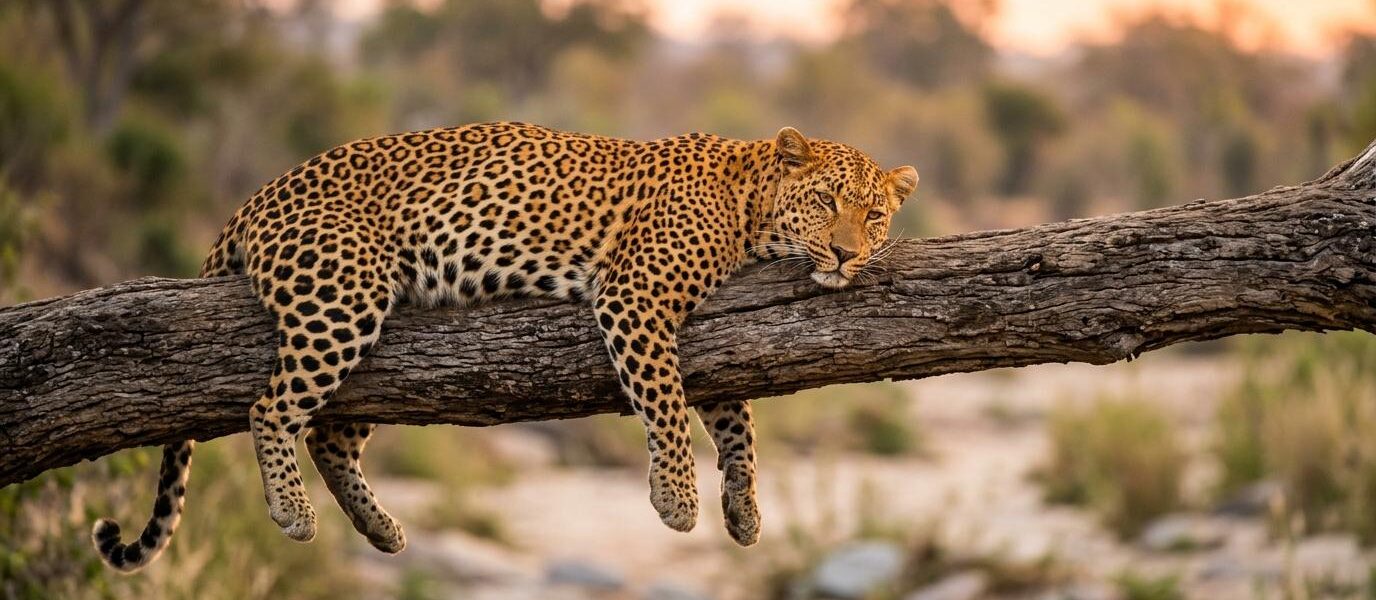
If leopard sightings sit near the top of your safari wish list, the choice between Sabi Sands and Timbavati matters more than many first-time travelers realize.
Both reserves are part of the Greater Kruger ecosystem. Both can produce memorable big cat moments. Both have skilled guides, rich wildlife, and the kind of early-morning anticipation that makes a safari addictive. But if the question is narrow and practical, which reserve gives you the better chance of seeing leopards well and often, the answer is usually Sabi Sands.
That does not make Timbavati a poor option. It simply means the two reserves shine in slightly different ways, and leopard-focused travelers should go in with clear expectations.
Leopard sightings in Sabi Sands vs Timbavati
Sabi Sands has built its reputation on leopard viewing, and not by accident. Reserve reports, guide updates, and years of guest experience all point in the same direction: leopard sightings there are unusually reliable, often close, and often repeated over a short stay. In many camps, seeing a leopard during a two- or three-night safari is very likely, and multiple sightings are common.
Timbavati also has a healthy leopard population. Guests do see leopards there, sometimes very well. The difference is consistency. Timbavati sightings tend to feel less predictable, with fewer publicly documented counts and less of the near-daily success rate that makes Sabi Sands famous.
Here is the simplest way to compare the two.
| Factor | Sabi Sands | Timbavati |
|---|---|---|
| Leopard sighting frequency | Very high | Good, but less reliable |
| Number of known individual leopards | High | Lower in public reports |
| Leopard habituation to vehicles | Strong | More variable |
| Daytime visibility | Often strong | More limited |
| Best fit for leopard-focused safari | Excellent | Good secondary choice |
| Overall safari feel | Polished, leopard-led game viewing | Wild, broad Big Five appeal |
If your main goal is to stack the odds in your favor, Sabi Sands is usually the stronger pick.
Leopard sighting frequency and leopard variety
One of the biggest differences is not just whether you see a leopard, but how many different leopards you may encounter.
In Sabi Sands, guides often talk about individual cats the way birders talk about favorite species. There are known females with cubs, territorial males, younger dispersing animals, and familiar lineages that regular guides track over time. That matters because a reserve with many visible, well-known individuals tends to produce more varied sightings. You are not just hoping for one lucky encounter. You are moving through active territories where several cats may be found over a few days.
Public reports support that pattern. Some Sabi Sands lodges have recorded double-digit individual leopard sightings in a single month, and weekly updates from the reserve regularly mention several named cats. Guests often come away talking about a male on patrol in the morning, a female with cubs in riverine thicket later that day, and a leopard on a kill the next drive.
Timbavati feels different. Leopards are there, and guides may know resident individuals around certain lodge areas, but the reserve is not documented in the same way in public sighting reports. That does not mean the cats are absent. It means the viewing is generally less repetitive and less celebrated as the defining feature of the reserve.
A practical summary helps:
- More frequent leopard encounters in Sabi Sands
- More named and recognized individuals
- Better chance of repeat sightings of the same cat over several drives
- Better chance of seeing different ages and behaviors
- Timbavati still offers real leopard potential
Why Sabi Sands leopard sightings are usually better
The first reason is simple: leopard density.
A published camera-trap study in the Sabi Sand area recorded about 12.2 leopards per 100 square kilometers, which is exceptionally high. That gives Sabi Sands a strong ecological base for sightings before guiding skill even enters the picture. More cats on the landscape usually means more opportunities to cross paths with one.
The second reason is habituation. In Sabi Sands, leopards have been viewed respectfully from safari vehicles for many years. In the best areas, they often tolerate vehicles calmly. That changes everything for guests. A leopard that is comfortable with a vehicle may keep hunting, rest in the shade, move along a road, or climb onto a fallen tree instead of melting away at the first engine sound.
The third reason is guiding structure. Private reserve safaris in Sabi Sands often include expert trackers and, where allowed, off-road driving. That combination is powerful. Tracks can be followed after dawn, fresh movement can be interpreted quickly, and guides can position vehicles carefully once the cat is found.
These factors work together:
- Density: More leopards on the ground means more chances per drive.
- Habituation: Cats stay visible longer and tolerate close vehicle presence.
- Tracking skill: Experienced teams can turn faint clues into high-quality sightings.
- Off-road access: Vehicles can follow safely when a leopard leaves the road.
- Guest experience: Sightings are often longer, calmer, and better for photography.
This is why Sabi Sands is so often described as one of the best leopard-viewing destinations in Africa, not just in South Africa.
What Timbavati offers for leopard lovers
Timbavati should not be dismissed just because Sabi Sands leads on leopard reliability.
For many travelers, Timbavati has a slightly wilder feel. The reserve is known for strong Big Five viewing, broad landscapes, and an atmosphere that can feel less centered on one signature animal. If you want a rounded safari with good chances across lions, elephants, buffalo, rhino, and leopard, Timbavati remains a very attractive option.
Leopard sightings there can also feel especially rewarding because they are a little less expected. A Timbavati leopard on a termite mound at sunrise or draped across a branch over a dry riverbed can feel wonderfully earned. Some travelers prefer that balance, especially if they do not want their entire safari judged by one species.
There is also an important data point here: the reserve is actively involved in leopard research, which shows both conservation commitment and a healthy interest in the species. Public population figures are still limited compared with Sabi Sands, but the conservation focus is real.
Best times of day for leopard sightings in both reserves
The best timing is similar in both reserves.
Early morning and late afternoon are your prime leopard windows, when temperatures are cooler and cats are more likely to move, scent mark, patrol, hunt, or return to cover after a night of activity. Most game drives are built around those hours for good reason.
That said, Sabi Sands often performs better even outside the classic windows. Well-habituated leopards may be found resting in thick shade, lying beside a termite mound, or watching impala from riverine vegetation in full daylight. Timbavati can also produce daytime sightings, but they are generally less predictable.
For travelers choosing between a two-night and three-night stay, this matters. More drives mean more dawn-and-dusk windows, and that sharply improves your odds in either reserve.
Habitat, visibility, and why leopard sightings feel different
Habitat shapes the viewing experience as much as population size.
Sabi Sands combines riverine woodland, mixed bush, drainage lines, and patches of more open visibility. That gives leopards both cover and structure. They can hunt effectively, den safely, and still be tracked through areas where guides can read the landscape well. In many zones, sight lines are just open enough to keep an animal in view once it starts moving.
Timbavati has its own beauty, with mopane and mixed woodland, seasonal riverbeds, and flatter sections that can feel vast and open. In some places, that helps with scanning for game. In other places, it means a leopard can slip into thicker cover fast and stay hidden.
Then there is the human side of visibility. A leopard that is relaxed around vehicles is easier to watch. A leopard that is more cautious may give you a shorter, more distant sighting. That difference can turn a good safari memory into an unforgettable one.
Leopard sightings and photography expectations
If photography is part of the plan, Sabi Sands usually gives you the better setup.
Longer sightings help with composition, changing light, behavior shots, and patient waiting. A leopard on the move may stop, turn, climb, yawn, or settle in a tree. Those little moments are gold for photographers, whether using a long lens or just a good phone camera from a well-positioned vehicle.
Timbavati can still produce beautiful leopard images, especially in dramatic light and more open settings. But photographers who want volume, behavior, and repeat chances are usually happier in Sabi Sands.
That is especially true for these travelers:
- First-time safari guests: Best odds of a proper leopard sighting
- Wildlife photographers: More time on subject, more behavior, better repeat chances
- Short-stay travelers: Stronger value over two or three nights
- Honeymooners and luxury travelers: High-impact sightings with polished lodge experiences
Which reserve is better for your safari style
The best reserve is not only about animal counts. It is about fit.
Choose Sabi Sands if leopards are the priority, if you have limited time, or if you want the strongest chance of close and repeated sightings. It is the safer choice for travelers flying into Greater Kruger for a short safari and hoping to come home with a real leopard story, not just a lucky glimpse.
Choose Timbavati if you want a broader safari feel, are comfortable with a little more uncertainty around leopard success, or are comparing camps where overall value, lodge style, or family fit matters more than one species alone.
A useful way to frame it is this:
- Sabi Sands for leopard-first safaris
- Timbavati for balanced Big Five safaris
- Sabi Sands for photographers on a short schedule
- Timbavati for travelers who like a slightly less leopard-centric rhythm
How many nights improve leopard sighting chances
Trip length matters almost as much as reserve choice.
In Sabi Sands, two nights can already be productive, but three nights is a much stronger minimum if leopards are your top target. That usually gives you six game drives, enough to work through changing weather, shifting animal movement, and the natural unpredictability of safari. In Timbavati, the extra night is even more valuable because sightings can be less consistent.
Travelers pairing Cape Town or Johannesburg with a Greater Kruger safari often try to keep the bush portion short. That is understandable. Still, if leopards are high on your list, this is one place where one extra night can make a real difference.
A practical rule works well: if the safari is built around leopard sightings, lean Sabi Sands and stay at least three nights; if the safari is built around a broad wildlife experience, Timbavati remains a very good option, especially when the right lodge, guide team, and timing all come together.