A Greater Kruger safari can happen in two very different settings that sit right next to each other: Kruger National Park (a public, vast wilderness managed by SANParks) and the surrounding private reserves (exclusive areas accessed through luxury safari lodges and camps). Both settings deliver unforgettable Big Five moments, with private reserves often offering specialized concessions and curated luxury that enhance the overall experience. Whether you’re embarking on a guided safari in a private reserve or enjoying a self-drive safari in Kruger National Park, every detail—from your first mile on the road to your last sundowner—helps shape an iconic African safari experience.
If you’re weighing private reserves vs Kruger National Park, the best choice comes down to how you like to travel: independently with the freedom of a self-drive adventure, or with the focused support of a guided, full-service safari. This decision naturally ties in with your priorities for wildlife conservation, authenticity and comfort.
- Looking for a guided, short-format option that starts in the city? Consider this 3 Day Kruger Safari from Johannesburg | Top-Rated Tour.
The core difference: freedom vs focus
Kruger National Park is built for public access. You buy an entry permit, drive the park roads in your own vehicle, stop when you want, and decide how your day unfolds—a model that fuels the self-drive safari spirit. Although you can also book SANParks guided drives from rest camps, the self-drive model remains a defining feature of affordable safaris in this massive conservation area.
Private reserves in the Greater Kruger region, including renowned locations like Kapama Game Reserve, Thornybush Game Reserve, and even lion sands retreats, are different by design. They are often situated on leased concessions that offer unique terrain and wildlife viewing opportunities within a nature reserve. Access and accommodation are exclusively for lodge guests and organized tour groups. Game viewing here takes place on guided drives in open 4×4 safari vehicles, normally with a professional guide and often a dedicated tracker. The day adheres to a safari rhythm: early morning drive, brunch, downtime, afternoon drive, and a late dinner, with specialized off-road access enhancing those intimate encounters with the wildlife.
That single structural difference influences everything: sightings, comfort levels, crowd sizes, and even the style of adventure—whether you prefer a hands-on, independent journey or a guided, luxury safari experience.
Game drives: what you can do in each place
In Kruger, you stay on public roads and remain inside your vehicle at all times outside designated areas. This rule helps protect both wildlife and visitors, while managing the vast ecosystem at scale. However, this means your viewing angles are limited by the road network and by what animals choose to do near those roads.
In contrast, private reserves permit controlled off-road access, adhering to strict wildlife ethics. Expert guides coordinate sightings by radio while managing the number of vehicles allowed near an animal at once. This careful control tends to create quieter encounters—ideal for capturing that perfect Big Five moment or an elusive leopard sighting—that are prized by photographers and safari enthusiasts alike.
Once you’ve pictured the difference, here’s how it typically plays out over the course of a day:
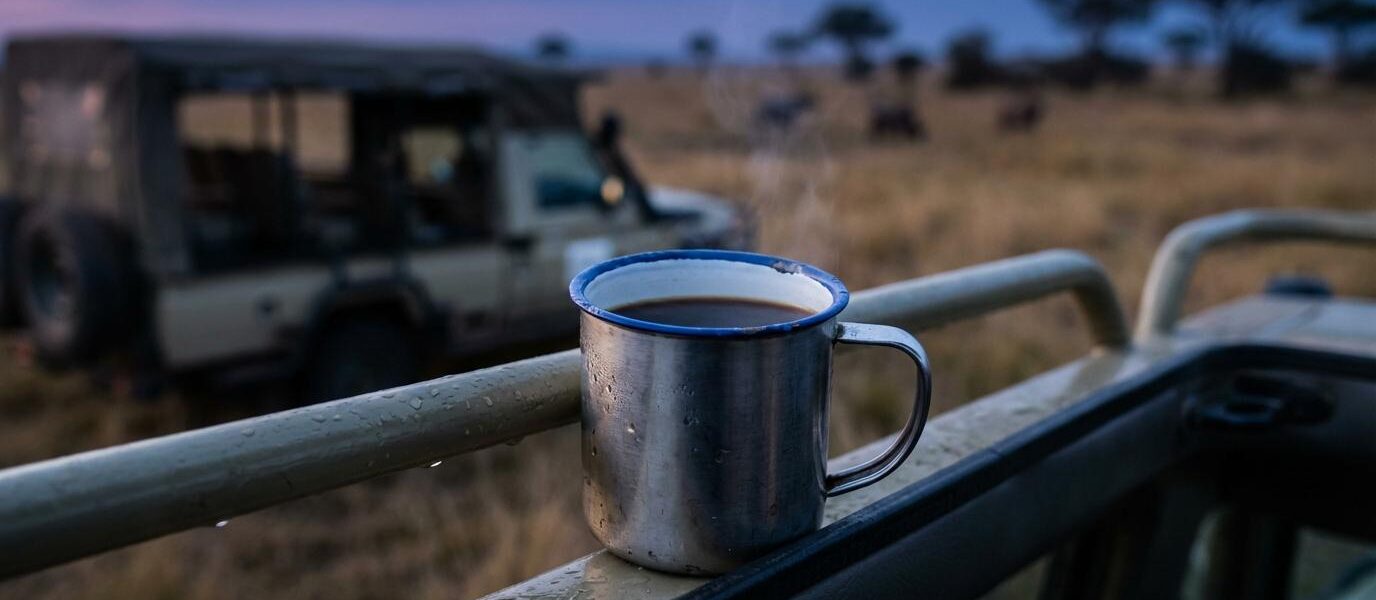
- Dawn starts: coffee in hand, cool air, and active predators setting the scene for an authentic African bush experience.
- Midday pause: pool time, reading, or a refreshing nap as wildlife gathers near waterholes.
- Afternoon build: golden light enhancing long drives and sundowner moments.
- Night layer: nocturnal animal activity under star-filled skies, accompanied by engaging campfire talk and, in some private reserves, thrilling night drives.
That “night layer” is a major divider between the two settings. Private reserves often offer proper night drives in designated areas, while in Kruger, visitors must be back in camp by gate closing time. This means that after-dark driving, which adds to the allure of an all-inclusive safari, is typically exclusive to private reserve experiences.
Crowds and atmosphere at sightings
Kruger is popular for a reason, and its well-trodden roads can lead to lively, communal encounters with nature. For instance, at a famous lion sighting near a main road, you might share the moment with many other self-drive safari enthusiasts, exchanging insights at a roadside pull-off and feeling part of a shared mission to experience Africa’s wildlife.
On the other hand, private reserves such as Kapama, Thornybush, and Sabi Sand provide a more intimate atmosphere. With no day-visitor traffic and strict vehicle limits during sightings, encounters are typically less congested and far more orderly. Guides take turns carefully managing viewing time, ensuring that when an animal is relaxed, you have the space to photograph or simply marvel at the behavior—a benefit that underscores the premium nature of these exclusive game reserves.
Wildlife: same ecosystem, different odds
Here’s the reassuring truth: Kruger National Park and the surrounding private reserves (including lion sands and similar concessions) share the same broader ecosystem, where the Big Five and other remarkable species roam free. The difference is less about what exists and more about how efficiently you can find it. In the expanse of Kruger, with its vast array of habitats, animals might be spread out, meaning that part of the thrill of a self-drive safari is the adventure of long journeys between standout sightings.
Private reserves, however, are much smaller and leverage guided drives designed to maximize time in wildlife-rich areas. If, for example, a leopard is spotted moving through a drainage line, expert guides can alert you promptly so that you can reposition and capture the moment in minutes. This focused approach, often enhanced by off-road accessibility, frequently increases sighting rates, making these areas ideal for photographers and wildlife enthusiasts who crave intimate encounters.
Photography: angles, time, and vehicle design
For those passionate about photography, vehicle setup is crucial. Open safari vehicles not only provide a higher vantage point but also offer clearer sightlines over the grassy plains. The ability to shoot from either side of the vehicle—without window frames in the way—ensures that every exceptional moment in the African bush is captured beautifully. Additionally, professional guides in private reserves can adjust the vehicle for optimal light and background, positioning you perfectly for those award-worthy shots.
In Kruger, photography is still an art form, though it often requires adapting to limited movement inside a closed car. The satisfaction of capturing that perfect shot—no matter the challenges posed by reflections or static angles—is palpable and contributes to the authentic, self-driven adventure many travelers cherish.
A practical rule of thumb is:
- Private reserve: better positioning, closer viewing, fewer distractions; a truly curated safari experience.
- Kruger self-drive: more independence, a trial-and-error approach, and real satisfaction when you capture that elusive glimpse of Africa’s wildlife.
Comfort and lodging: curated luxury vs practical variety
Private reserves, including such renowned destinations as Kapama Game Reserve and Thornybush Game Reserve, are often lodge-led. Here, most stays are packaged with meals, activities, and accommodations at luxury safari lodges that pride themselves on upscale amenities—thoughtfully decorated rooms, impeccable service, and a daily itinerary designed entirely around wildlife encounters and relaxation in the bush.
Kruger’s approach to accommodation is much broader. SANParks rest camps offer a range of options from campsites to bungalows, catering to travelers looking for a self-drive safari experience with self-catering possibilities. Whether you prefer stocking your own cooler for a braai or enjoying the simplicity of a self-organized outing, Kruger provides that classic, hands-on safari charm.
Ultimately, the best choice depends on what “comfort” means to you: opting for a hands-on, independent journey or choosing a guided, full-service experience that takes care of every detail.
Cost: what you pay for, and what’s included
Budget considerations often tip the balance when choosing between a private reserve and Kruger National Park. A self-drive safari in Kruger can be very affordable, especially if you opt for camping or simpler rest camp accommodations and embrace the DIY spirit by cooking for yourself. Your primary expenses will be park entry fees, accommodation, fuel, groceries, and the occasional guided activity.
Private reserves, naturally, come at a premium. Their higher pricing reflects the all-inclusive nature of the experience—covering expert guiding, off-road vehicle access, night drives, trackers, conservation fees, and top-tier hospitality. Here, you’re not only paying for exclusive wildlife encounters but also for a carefully curated adventure that includes intimate knowledge of local conservation efforts and a fully structured itinerary.
Here are the cost drivers framed plainly:
- Private reserves: higher costs for guiding, exclusivity, off-road access, night drives, and all-inclusive hospitality—a bundled luxury safari package.
- Kruger National Park: economical, with a focus on flexibility, entry-level access, self-drive independence, and the authentic experience of a classic African safari.
Sample safari shapes (to picture your trip)
A few itinerary styles can help turn the comparison into something you can book, considering all available concessions, the style of safari (self-drive vs guided), and your personal preferences.
- 3 to 4 nights, private reserve focus: Fly in, transfer to a luxury lodge, enjoy twice-daily guided drives with expert trackers, experience a bush walk and night drives, all with minimal planning on your part—ideal for those seeking a turnkey safari experience.
- 5 to 7 nights, split stay: Start your journey with a self-drive safari in Kruger National Park to enjoy the freedom of exploring at your own pace, then transition to a private reserve for expert-guided, off-road viewing and a more relaxed, curated finish.
- 7 to 10 nights, Kruger road trip: Enter through the southern gate, travel north across diverse African habitats, and mix self-drive exploration with a couple of SANParks guided drives to gain fresh perspectives on wildlife behavior and ecosystem dynamics.
The right answer is the one that matches how you like to travel. The wildlife is waiting in both settings—whether you choose the independence of a self-drive adventure or the curated luxury of a guided safari, an unforgettable African wildlife encounter is guaranteed.
Overview of Safari Experiences
Crafting your safari itinerary is about more than just choosing between accommodation types or driving styles—it’s an overview of safari experiences that encompass wildlife viewing, guided tours, conservation efforts, and even personal moments with nature. Whether it’s your first time on a self-drive safari or you’re a seasoned traveler opting for exclusive private reserves, every journey brings its own blend of adventure, discovery, and relaxation.
Accessibility and Location
Both Kruger National Park and the surrounding private reserves offer excellent accessibility and location benefits. While Kruger is well connected by road and accessible via multiple entry gates, many private reserves are tucked away in quieter, exclusive sectors that offer a sense of isolation alongside world-class wildlife encounters and immersive safari experiences.
Wildlife Viewing Opportunities
At the heart of any safari lie exceptional wildlife viewing opportunities. In both settings, the Big Five and other iconic African species roam free. Private reserves, with their off-road access and expert guided tours, heighten the chance of encountering elusive animals—like a stealthy leopard in the shadows—whereas Kruger’s expansive terrain delivers the adventure of a true wilderness road-trip, offering unique moments for photographers and nature lovers alike.
Accommodation Options
Your choice in accommodation significantly shapes your overall safari experience. Luxury lodges in private reserves not only provide all-inclusive meals and curated activities but also offer intimate settings that take you closer to the African bush. In contrast, Kruger’s diverse accommodation offerings—from campsites to bungalows—empower self-reliant explorers to fully customize their journey, blending comfort with the authentic charm of a hands-on, self-drive safari.
Guided Tours and Self-Driving
The decision between a guided safari and a self-drive adventure is central to your safari experience. Private reserves lean on expert guided tours, where experienced drivers and trackers navigate unpredictable terrain with precision. Meanwhile, Kruger National Park invites travelers to embrace the thrill of a self-drive safari, offering flexibility and a genuine road-trip feel through one of Africa’s premier wildlife destinations.
Private Reserves Benefits
The benefits of private reserves extend beyond exclusivity and in-depth local knowledge. Guests in these reserves enjoy controlled vehicle limits during sightings, enhanced opportunities for off-road viewing, and even the possibility of proper night drives. These attributes contribute to exclusive and intimate encounters as well as stunning photographic opportunities—an ideal scenario for those who appreciate luxury safari lodges and carefully curated experiences.
Kruger National Park Benefits
Kruger National Park, on the other hand, rewards independent travelers. Its vast expanse, diverse habitats, and accessibility allow visitors to design their own route and enjoy spontaneous detours. For many, the beauty of a self-drive safari in Kruger lies in that raw, unfiltered connection with nature, where every journey across the African bush is both an adventure and a lesson in wildlife conservation.
Crowds and Privacy
The degree of crowds can significantly influence your animal encounters. While Kruger may be bustling at popular spots with groups of self-drive safari enthusiasts, controlled access in private reserves maintains a more intimate and private atmosphere. Whether you relish the shared enthusiasm of fellow travelers or prefer quiet moments to observe nature undisturbed, understanding the crowd dynamics helps in selecting your ideal safari setting.
Costs and Budget Considerations
Every safari adventure comes with its own price tag. Comparing costs between a self-drive safari in Kruger National Park and an all-inclusive guided package in a private reserve requires understanding what you’re paying for—from park entry fees to the level of service, convenience, and conservation efforts that sustain these environments. This detailed budgeting ensures that your chosen safari experience aligns with both your financial planning and your overall travel goals.
Conservation Efforts
Both approaches to safari travel support vital conservation efforts in the Greater Kruger region. Revenues from park fees contribute significantly to sustaining Kruger National Park’s conservation projects, while private reserves often reinvest profits in community outreach and wildlife preservation initiatives. By choosing your safari, whether it’s a self-drive adventure or a guided tour, you’re also contributing to the long-term protection of Africa’s natural wonders.
Safety and Security
Safety and security are paramount on any safari adventure. With clearly defined rules in Kruger National Park—such as staying within designated areas—and expert supervision in private reserves, travelers can explore the bush with confidence. Strict adherence to wildlife ethics and safety protocols ensures that whether you’re on an off-road drive or comfortably seated inside an open safari vehicle, your experience remains secure and respectful of nature.
Ideal Travel Seasons
Understanding the ideal travel seasons further personalizes your safari adventure. Whether you’re aiming for the dry season in Kruger—where animals gather near water sources for a concentrated viewing—or preferring the lush, green periods that accentuate the private reserves’ rich landscapes, seasonal variations play a crucial role in animal visibility, climate comfort, and overall travel enjoyment.
Personalizing Your Safari Experience
Ultimately, every safari should be as unique as you are. Personalizing your safari experience—whether by opting for guided tours over self-drive adventures, luxury lodges over camping, or off-road tracking in a private reserve versus exploring by yourself in Kruger—ensures that your journey is tailored to your interests, pace, and comfort level in the vast African wilderness.
Choosing Between Private Reserves vs Kruger National Park
The decision between private reserves and Kruger National Park is rarely about one option being objectively better than the other. Instead, it’s about aligning your travel style, priorities, and budget with the unique advantages each destination offers. With a clear understanding of accessibility, wildlife viewing opportunities, guided versus self-drive experiences, and cost considerations, you can confidently choose the option that best complements your dream African safari.
Whether you opt for the curated luxury and expert-guided exclusivity of a private reserve or the flexible, authentic self-drive experience offered by Kruger National Park, your safari adventure is destined to be filled with breathtaking moments, intimate wildlife encounters, and memories that will last a lifetime.