Choosing between peak and shoulder season in Greater Kruger is not just about weather. It changes the pace of your safari, the price you pay, how far ahead you need to book, and even the kind of sightings you are most likely to remember.
That matters because Greater Kruger covers more than one safari style. It includes the private reserves that share unfenced borders with Kruger National Park, including areas like Sabi Sands, Timbavati, Klaserie, Thornybush, Manyeleti, Balule, Kapama, and Umbabat. Wildlife moves freely across these landscapes, but the visitor experience can feel very different depending on the month.
Peak season months in Greater Kruger have two different personalities
In Greater Kruger, “peak season” usually means one of two things.
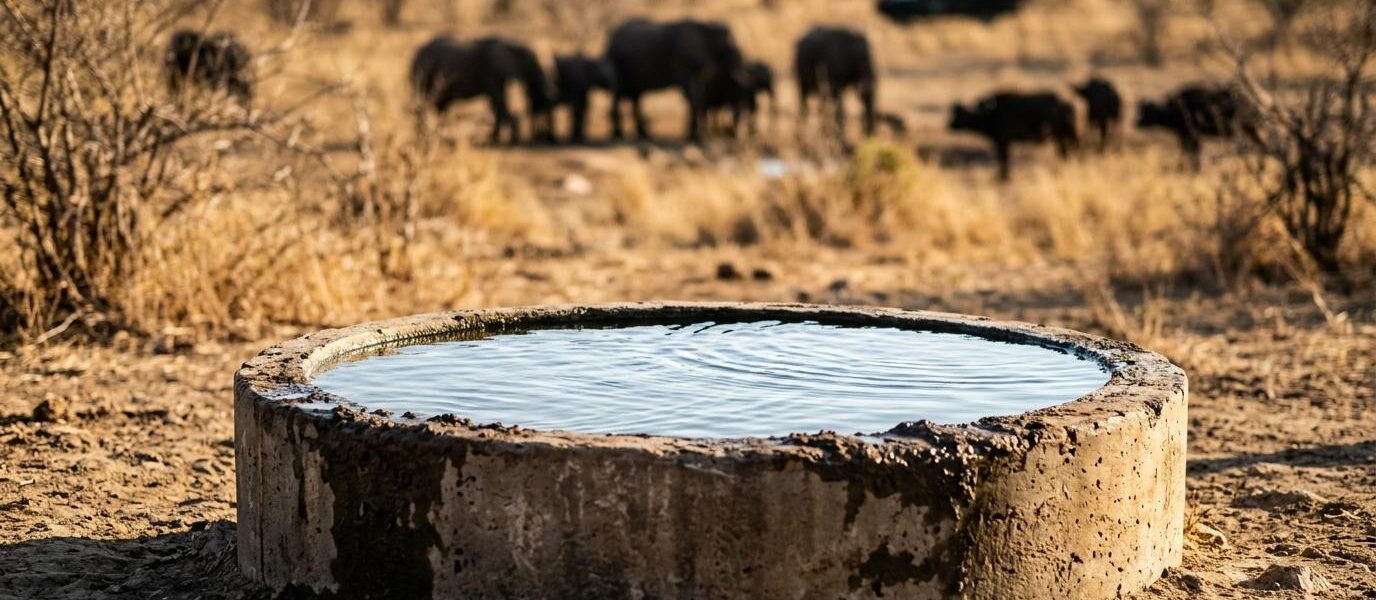
The first is the dry winter safari peak, mainly June through August. This is the classic Big Five season. Grass is shorter, foliage is thinner, and water is more limited, so animals gather more predictably around rivers, dams, and waterholes. Days are usually mild and pleasant, while early mornings and night drives can be cold.
The second is the festive holiday peak, mainly mid-December through mid-January. This is a true demand spike, driven by South African school vacations, Christmas travel, and international holiday plans. Lodges and camps fill quickly, roads in busier public areas can feel crowded, and rates often rise. Wildlife viewing can still be good, but this is not the same as winter’s prime visibility. The bush is greener, temperatures are higher, and rain can affect movement and road conditions.
That distinction is important: not every peak month gives you the same safari payoff.
Shoulder season months in Greater Kruger offer balance
Shoulder season usually falls in April to May and again in September to October. These are transition months, sitting between the busiest times and the more extreme weather patterns.
April and May often feel especially rewarding. Summer rain begins to fade, temperatures become more comfortable, and the bush starts opening up. You may still have some greenery in the landscape, but game viewing often improves week by week. September and October can be warmer and drier, with very strong wildlife activity near remaining water sources, though the afternoons can become hot.
In Greater Kruger, a quieter safari does not mean a weaker safari.
Shoulder season often gives travelers the best mix of value, availability, and strong sightings, which is why many experienced safari-goers target it on purpose.
Greater Kruger crowds in peak vs shoulder season
Crowds show up differently depending on where you stay. In the public areas of Kruger National Park, holiday periods can mean busy gates, more vehicles on popular roads, and higher occupancy in camps. During major school vacation periods, timed access and visitor limits may also come into play.
In the private reserves of Greater Kruger, the effect is subtler. You are less likely to feel “crowded” in the same way, because private reserves control vehicle numbers and guide access more tightly. Even so, peak season still means reduced room choice, busier lodge common areas, fuller transfer schedules, and more pressure on the most sought-after rooms and suites.
Shoulder season softens all of that. There is usually more breathing room, more lodge choice, and less competition around trip dates, room categories, and transfer times.
A good way to think about it is this: peak season brings booking pressure, while shoulder season brings flexibility.
After a paragraph of planning, the practical signs of peak demand become easy to spot:
- fewer room types left
- earlier flight sell-outs
- tighter transfer timing
- more advance payment deadlines
- popular family units booked first
Greater Kruger safari prices in peak vs shoulder season
Rates in Greater Kruger usually follow demand very closely. June through August often brings premium pricing because conditions are excellent for classic safari viewing. Festive season can be even more expensive in some cases, especially when higher holiday demand combines with minimum-stay rules.
Flights and road transfers matter too. A safari that looks attractively priced on a lodge rate alone can shift once school holiday airfare and regional flight demand are added. That is one reason shoulder season can be such a strong value play. The lodge rate may be lower, and the surrounding travel costs can be calmer as well.
Shoulder season is also when specials are more likely to appear. Not every property discounts publicly, but this is the period when value-added offers, extra-night deals, and better room-category upgrades are most realistic.
A lower nightly rate does not always mean the lowest total trip cost, and a higher rate does not always mean better value. The smart comparison looks at the whole package.
Here is where the money difference usually shows up most clearly:
- Lodge rates: Higher in winter peak and festive periods, softer in April to May and September to October
- Flight costs: Often highest around school breaks and holiday travel windows
- Minimum stays: More common over Christmas, New Year, and some long weekends
- Availability pressure: Peak months force earlier booking, which can limit lower-cost options
- Special offers: More likely in shoulder periods than in prime winter
Greater Kruger wildlife sightings in peak vs shoulder season
If your main goal is to maximize Big Five visibility, dry winter still sets the standard. Sparse vegetation makes scanning easier, and animals tend to gather where water remains. That often translates into strong sightings of elephant, buffalo, lion, and general plains game, with a better chance of seeing more in a shorter time.
Shoulder season remains very strong, just less extreme. In April and May, the landscape often still looks attractive and alive after summer rains, but viewing improves as cover starts thinning. This can be a sweet spot for travelers who want good game density without the premium cost or busier feel of winter peak.
September and October are also excellent for action around water. By then, the bush can be very open and wildlife concentration can be high. The trade-off is heat, especially later in the season, and the chance of early storms as spring shifts toward summer.
Festive peak, by contrast, is busy for people more than it is perfect for sightings. Summer has its own rewards, including dramatic skies, migrant birds, and newborn animals, but it is not the easiest period for consistent big-game visibility. Dense vegetation and abundant water spread animals out across the landscape.
| Factor | Peak season | Shoulder season |
|---|---|---|
| Main months | June to August, plus mid-December to mid-January | April to May, September to October |
| Crowds | Highest demand, fastest sell-out periods | Moderate demand, more choice |
| Pricing | Premium rates, especially holidays | Better value, specials more common |
| Big Five visibility | Best in dry winter peak | Often very good, especially late April, May, and September |
| Landscape | Winter is dry and open; festive season is greener | Transitional, often visually appealing |
| Weather | Cool dry winter mornings or hot festive summer conditions | Mild to warm, more balanced |
| Best for | First safaris, travelers focused on classic sightings | Value seekers, repeat visitors, photographers, flexible travelers |
Best Greater Kruger season for first-timers, families, photographers, and honeymooners
The best season depends on what matters most to you. A first-time safari traveler often wants the highest chance of classic wildlife sightings and may feel happiest in the dry winter peak, even if it costs more and requires booking far ahead. A repeat traveler may prefer shoulder season because it gives more space, better rates, and a less rushed feel.
Families often need to weigh school calendars against safari comfort. Younger children may do better outside the hottest summer periods. Couples and honeymooners often like shoulder season because it can feel more private, with strong viewing and a softer price point. Photographers may split into two camps: some prefer winter’s clean visibility and golden tones, while others want summer clouds, green backgrounds, and baby animals.
A useful shortcut is to match your trip to your main priority, not to the broad idea of “best time.”
- First-time safari: June to August for classic dry-season viewing
- Best value: April, May, September, and early October
- Birding and newborn animals: Late spring and summer
- Lower crowd pressure: Shoulder season, especially outside holiday weeks
- Romantic trips: Shoulder months often balance privacy, price, and atmosphere
Booking tips for Greater Kruger peak and shoulder season
If you are aiming for June, July, August, or the festive season, book early. The best small lodges, family suites, and fly-in connections can disappear long before the travel date. This is even more important if you want specific reserves, private vehicles, or linked stays between Cape Town, Johannesburg, and Greater Kruger.
If you are targeting shoulder season, you can often be more selective. This is the time to compare reserve style, room category, guiding format, transfer timing, and how many nights truly make sense. Sometimes one extra night in shoulder season creates a better safari than a shorter stay in peak season at a much higher rate.
Before confirming, it helps to ask a few simple questions.
- What kind of peak is it: Winter wildlife peak or festive holiday peak?
- How busy will sightings feel: Public park roads, private reserve vehicles, or both?
- What is included: Flights, road transfers, conservation fees, drinks, or bush walks
- room upgrade options
- child policy and age limits
- cancellation terms
That last point matters more than many travelers expect. A well-timed shoulder season safari can give you excellent game viewing, better availability, and a calmer overall rhythm. A peak season safari can be spectacular too, especially in winter, but it works best when you plan early and go in with clear expectations about cost and demand.
For many travelers, the right answer is not peak or shoulder in the abstract. It is the season that best matches your wildlife goals, budget, and how you want the bush to feel when you are in it.