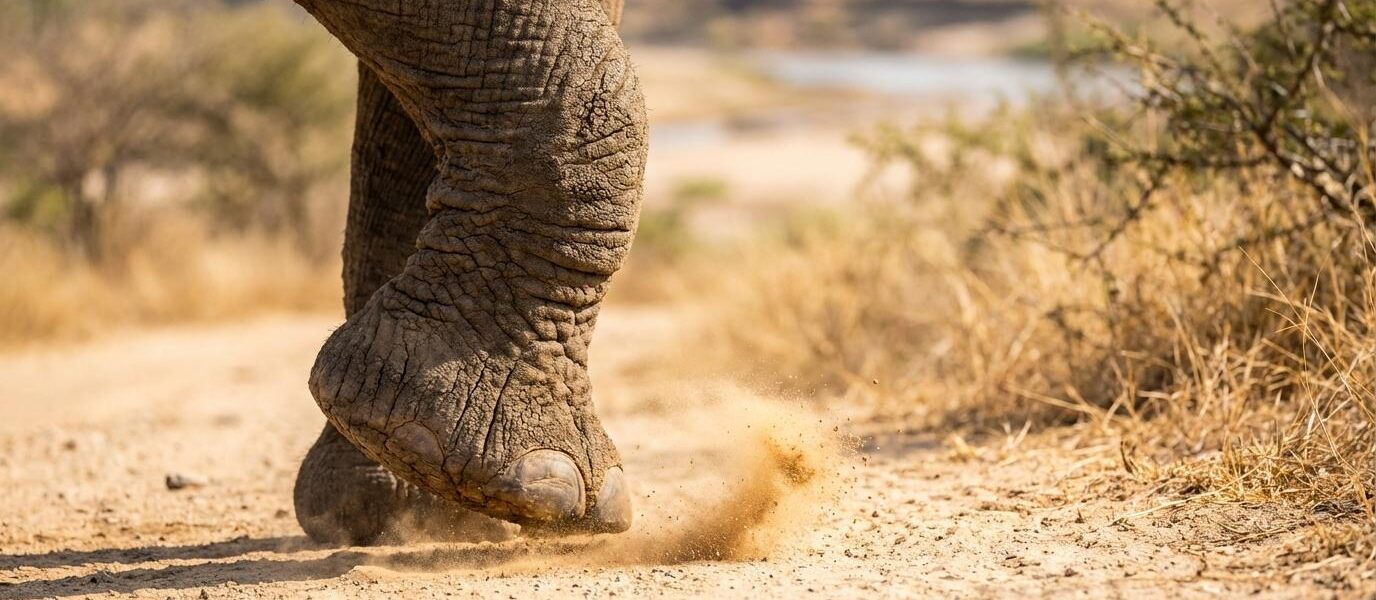
A Greater Kruger safari is never “the same trip” twice, even if you return to the same Greater Kruger lodges and drive the same roads. The reason is simple: seasonal changes shape everything, from the feel of the air at sunrise to where the herds drink, to how far your guide can see through the bush. This dynamic African bush experience combines luxury safari packages with authentic wildlife viewing, ensuring every journey is a unique adventure.
Below is an expanded guide that incorporates an overview of the seasons, detailed insights on the dry and wet periods, transition moments, and practical tips on what to pack and what activities to enjoy—all naturally interwoven with the unique rhythms of the Greater Kruger region and its renowned conservation efforts.
Overview of the Greater Kruger Seasons
A Greater Kruger safari, encompassing Kruger National Park and its adjoining private reserves, follows a subtropical savanna rhythm that highlights the rich biodiversity of the African wildlife conservation landscape. Whether you prefer the lush vibrancy of the wet season, the excitement of seasonal changes, or the crisp clarity of the dry season, the region offers an ever-changing safari adventure. Enhanced safari experiences such as Big Five sightings, photography safaris, and luxury game drives are available throughout the year. In this guide, we outline wildlife activity specific to each season:
• The Dry Season: Winter in Greater Kruger • The Wet Season: Summer in Greater Kruger • Transition Seasons: Spring and Autumn
These detailed sections will help you match the season to your interests, from wildlife behavior and climate patterns to packing essentials and seasonal activities, ensuring you embrace the true spirit of African bush adventures.
The Dry Season: Winter in Greater Kruger
Winter in the Greater Kruger Game Reserve, part of the magnificent Kruger National Park, is when the region shows its most iconic safari personality. This period is perfect for an authentic African safari adventure, with animal migration patterns making it an ideal time to explore various Greater Kruger safari packages, including a Greater Kruger Big Five safari. With long stretches of dry, clear weather and thinning vegetation, wildlife groups together around permanent water sources, enhancing both conservation and luxury safari experiences.
Typical Weather Conditions in the Dry Season
During the dry season—roughly April to September—daytime temperatures are pleasant, often in the mid-20s°C, while winter nights can turn cool, with temperatures sometimes nearing 9 to 12°C in mid-winter. The prevailing clear skies and dusty conditions create a picturesque, golden landscape ideal for game drives and photography safaris, presenting a true African bush experience.
Wildlife Behavior During the Dry Season
In the dry season, wildlife behavior adapts to the scarcity of water, affecting their visibility in the open landscape. As surface water disappears, animals, including the Big Five, concentrate around perennial rivers and dependable waterholes. This concentration not only enhances game viewing and wildlife encounters but also allows experienced guides to track animal movements efficiently. Predators benefit from the sparser vegetation, becoming more visible against the expansive backdrop—a perfect setting for a luxury safari adventure and high-quality wildlife photography.
The Wet Season: Summer in Greater Kruger
Summer in the Greater Kruger region, which spans roughly October to March, offers a dynamic and vibrant safari experience that immerses visitors in the heart of the African wilderness. The landscape bursts into life, transforming into a richly green backdrop filled with new growth during this season—a prime time for photography safaris and exploratory game drives.
Climate Patterns in the Wet Season
During the wet season, the air is hot—typically 28 to 33°C by day—with warm nights averaging 18 to 23°C. Frequent thunderstorms and short-lived, intense rain showers are common. These bursts of rain rejuvenate the landscape, turning it into a lush canvas that supports a broader diversity of species. This season provides endless opportunities for bird watching, an essential part of any wilderness exploration, where nature’s colors and sounds highlight the magic of the African bush.
Animal Sightings During the Wet Season
The abundance of water in summer means that wildlife is more widely dispersed, offering a different facet of the safari experience. While this can sometimes make tracking easier animals slightly more challenging, it also provides the opportunity to witness the wonder of nature in full bloom: newborn impala, zebra foals, and warthog piglets are common sights. The dense vegetation, ideal for a photo safari, offers excellent cover for both predators and smaller antelope, ensuring that every drive is packed with surprises for wildlife enthusiasts and photographers alike.
Transition Seasons: Spring and Autumn
The shoulder periods, occurring in March to April and September to October, present a blend of conditions from both the wet and dry periods. These transition seasons combine the best of both worlds, offering unique wildlife movements and gradually shifting weather that appeal to travelers seeking a balanced and immersive safari experience.
Weather Changes in Transition Periods
In March and April, the remnants of the rainy season initially keep the landscape green, though the tapering rain and cooling evenings create a mix of environments—ideal for both extended game drives and intimate wildlife encounters. Conversely, September and October signal the start of summer storms while maintaining a hot, dry feel during the day, providing clear sky mornings perfect for luxury early morning drives and photography safaris.
Wildlife Movements in Transition Seasons
Wildlife adapts quickly to the changing conditions during these periods. In early autumn, animals may still be found near lingering water sources, while the onset of spring in September triggers a fresh burst of animal movements, with herds congregating around the remaining waterholes. This period is particularly exciting for predators, as the shifting movements of herbivores encourage dynamic scenes that are a delight for both experienced guides and wildlife photographers.
Best Time to Visit Greater Kruger
Determining the “best time to visit” ultimately depends on what you are chasing. For classic Big Five viewing combined with crisp photography opportunities and luxury safari experiences, the dry winter months (April to September) are ideal. If lush landscapes, abundant bird life, and the excitement of witnessing newborn wildlife in their natural habitat appeal to you, the wet summer season (October to March) might be preferable. Meanwhile, the shoulder seasons offer a balanced experience for those who want a bit of both worlds and a deep dive into the dynamic nature of African wilderness conservation.
What to Pack for Different Seasons
When preparing for your safari adventure, packing is about having the right gear for shifting conditions rather than an abundance of items. A well-balanced kit might include:
- Light layers: Breathable shirts and long sleeves for sun protection and insect defense during hot days, ideal for any African safari adventure.
- Warm layers: A fleece or insulated jacket for those crisp winter dawn drives, ensuring comfort during early morning wildlife photography sessions.
- Rain protection: A compact rain jacket or poncho for sudden summer storms during a vigorous game drive.
- Footwear: Closed shoes with good grip to handle dusty paths or muddy trails in the African bush.
- Optics: Quality binoculars are invaluable, especially when the thick summer vegetation demands extra care for wildlife viewing and bird watching.
- Health items: Insect repellent, sunblock, and any recommended malaria prophylaxis to ensure you stay safe during your expedition.
These considerations ensure your comfort and readiness for a memorable safari experience, whether you’re exploring luxury lodges or embarking on intensive photo safaris in the wilderness.
Seasonal Activities in Greater Kruger
Different times of the year offer distinct opportunities for a variety of activities in the Greater Kruger. The region boasts a range of safari options designed to cater to diverse interests—from traditional game drives to specialized photography safaris and dedicated bird watching excursions in the African bush.
Safari Options Across the Seasons
Private reserves and high-end lodges within the region offer diverse safari packages that adjust to seasonal conditions. For instance, some lodges emphasize family-friendly amenities with shaded relaxation areas and flexible schedules during the intense summer heat. Others cater to photography enthusiasts during the winter, prioritizing open landscapes and extended viewing times to capture crisp images of wildlife and the vast African savanna. Whether you choose a classic Big Five tour or a luxury safari adventure, there is a tailored experience waiting for you.
Bird Watching and Other Activities
Bird watching is a particularly rewarding activity during the wet season, when migrant birds appear in their full, vibrant plumage, and the bush comes alive with their varied calls. Detailed birding excursions, coupled with expert-led wildlife tracking, can deepen your understanding of the region’s ecological richness. Similarly, during the dry season, dedicated game drives offer ample opportunities to observe large mammals and capture the timeless beauty of the African wilderness in action.
Greater Kruger is one of the rare safari regions where any month holds the promise of a standout drive. Whether you’re chasing the open vistas of winter, the lush exuberance of summer, or the dynamic shifts of the shoulder seasons, a well-planned trip will reveal nature’s full spectrum of life and color. Enjoy luxury lodges, in-depth conservation efforts, and unforgettable photography safaris—a complete African bush experience awaits. Happy safari planning!
Bird Watching and Other Activities
From in-depth bird watching excursions in the vibrant summer months to carefully guided photography safaris during the cool winter nights, every activity is woven into the tapestry of Greater Kruger’s rich heritage. Whether you are enchanted by the raw beauty of the African wilderness or the thrill of witnessing the Big Five in their natural element, the array of safari adventures and luxury game drives ensures that your journey into the heart of Kruger National Park is as fulfilling as it is unforgettable.