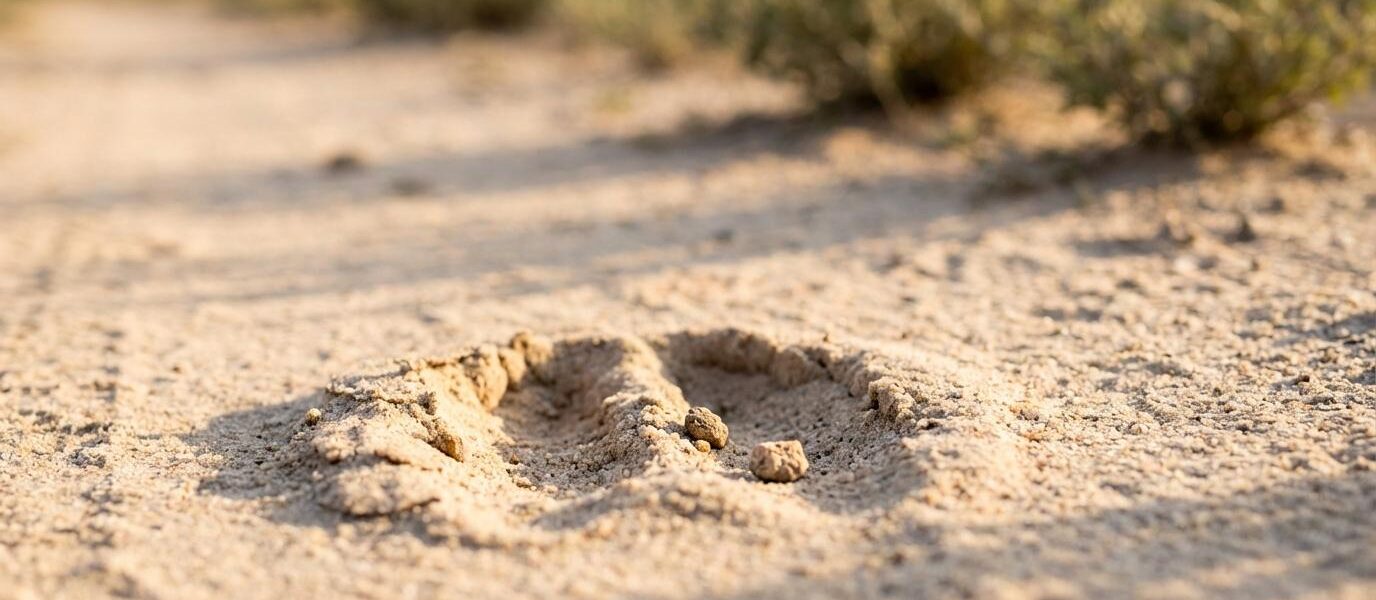
A bush walk in Greater Kruger changes the scale of everything.
Basics of Greater Kruger Bush Walks
Stepping off the vehicle transforms your entire perspective. While a game drive gives you panoramic views and radio updates, a bush walk invites you to experience the finest details: the dust on a leaf, the angle of a hoof print, or the sudden, alert call of a francolin. This intimate approach to nature is not only thrilling—it’s an education in the very basics of Greater Kruger Bush Walks, where every small observation contributes to your understanding of the wild.
From a vehicle, you scan wide horizons, but on foot you gain a heightened sense of direction, distance, and mood that only the silence of nature can offer. It can feel wild and intimate at the same time, with thrilling wildlife encounters being an integral part, which is exactly why safety, the right gear, and good guiding matter so much.
Greater Kruger includes Kruger National Park and the adjoining private reserves where wildlife moves freely across unfenced boundaries. The animals do not behave differently because there is a lodge nearby, so your approach on foot needs to be consistent, calm, and guided by people trained to read the bush.
- If you’re comparing safari styles across Africa, you might also like a 3 Day Masai Mara: Unforgettable Safari Adventure, a 7 Day Great Wildebeest Migration Safari | Africa Moja Tours, or destination-focused planning like Victoria Falls Tours | Africa Moja Tours and Botswana Tours | Africa Moja Tours.
- For more options closer to Kruger, see Kruger Safaris – Tembo Guest lodge.
What makes a bush walk different from a game drive
Walking safaris are not about “getting closer” at any cost. They are about seeing more, because your senses are not filtered through an engine, a chassis, and a raised seat. You hear direction, distance, and mood in a way that is hard to replicate on a drive.
They are also slower by design. A good safari walk includes pauses for tracks, dung, wind checks, and listening. That pace is a safety feature. It gives your guide time to build a picture of what is nearby, not just what is visible.
One more difference is distance management. On a drive, a vehicle can often sit predictably while animals choose to ignore it. On foot, the same animal may view you as uncertain and potentially threatening, which means guides choose wider buffers and more conservative routes.
Who should lead a walk, and why the rules are strict
Choosing a Guided Bush Walk is crucial for ensuring that the experience is both rewarding and safe. In the Greater Kruger region, including Manyeleti Game Reserve, Sabi Sands Game Reserve, and Kapama Game Reserve, walking is a regulated activity for a reason: the combination of rich biodiversity, big animals, thick vegetation, and shifting wind requires trained decision-making to ensure safety. In Kruger National Park, SANParks guided walks are conducted with two armed field guides, and private reserves typically follow comparable standards and permitting.
A professional trails guide is doing many things at once. They manage spacing, wind direction, visibility, escape lines, terrain hazards, and the group’s noise level. They also read animal cues early, long before a moment feels tense to guests.
After a short briefing, most bush walk rules are simple to remember, then surprisingly hard to follow if you are excited. Keeping it simple helps everyone.
- Stay close
- Quiet voices
- No running
- No sudden movements
- Hands off plants and animals
Age limits are also common, including the typical “no children under 12” rule on many walks. It is not about toughness. It is about impulse control, stamina, and the ability to follow instructions immediately.
Health and weather prep before you step off the track
Greater Kruger, which includes Kruger National Park, is a malaria area, with higher risk in the warmer, wetter months (often September through May). Many travelers do well with a travel clinic consult, appropriate prophylaxis when advised, and consistent bite prevention. It is a small effort that protects the rest of your trip.
A quiet but important part of safety is admin: travel insurance that includes medical evacuation, a plan for allergies, and any personal medication carried on your person, not left in a room safe.
Understanding Terrain and Climate
Before stepping off the track, it is essential to understand the terrain and climate. Greater Kruger’s environment calls for a sound appreciation of the shifting weather patterns, whether it is a cool winter morning with thinner vegetation or a humid summer afternoon with lush bush and sudden downpours. This insight is key to planning your pace and gear choices, as well as setting realistic expectations for your physical comfort on the walk.
A quick season and conditions guide
| Season (Greater Kruger) | What it feels like on foot | Safety focus | Practical note |
|---|---|---|---|
| Dry winter (Jun to Aug) | Cool mornings, thinner vegetation | Warm layers, steady pace, dust | Excellent visibility, cold at dawn |
| Shoulder seasons (Apr to May, Sep to Oct) | Variable temps, changing winds | Hydration, layering, insect control | Great balance for many travelers |
| Green summer (Nov to Mar) | Hotter, lush bush, storms | Heat care, rain awareness, malaria prevention | Expect sudden downpours and slick ground |
Weather also affects terrain. Sandy tracks, rocky ridges, thorn scrub, and riverine edges all demand footwear that protects your feet and ankles and helps you move quietly.
Essential Gear for Bush Walks
Packing for a bush walk is about “less, better.” Bulky daypacks and noisy fabrics make it harder to stay balanced and calm. Neutral colors help you blend into the landscape and reduce visual disruption. Think olive, khaki, tan, and muted brown.
Clothing for Safety and Comfort
Your basics are protective clothing and solid footwear. Lightweight long sleeves and long pants in neutral tones protect you from sun, insects, and thorn scratches while keeping you comfortable. Closed-toe hiking boots with a good grip and ankle support, along with high socks, are essential for navigating uneven terrain.
Staying Hydrated and Nourished
Equally important is staying hydrated and nourished. A wide-brim hat, sunglasses, SPF sunscreen, and lip balm are vital for sun protection. Always carry at least 1 to 2 liters of water, and consider small, energy-boosting snacks to keep your energy levels up during the walk.
Small essentials such as compact binoculars (8x is a sweet spot for many people), blister care, antiseptic wipes, and a light rain shell in summer also help maintain comfort and safety on the trail. One sentence that makes packing decisions easier: if it dangles, rattles, or needs two hands to manage, it is probably staying at camp.
Wildlife Awareness and Animal Behavior
Most walks focus on the smaller story of the bush: tracks, insects, birds, plants, and the signs that bigger animals passed through. While seeing the Big Five on foot in areas like Kruger National Park can happen, it is not the goal. The aim is a controlled experience in which animals are respected and the group remains predictable.
Spotting and Avoiding Dangerous Animals
Spotting and Avoiding Dangerous Animals is a critical skill on any bush walk. A calm encounter is often anticlimactic in the best way. You may stop, listen, and watch an elephant group drift away through mopane, or observe a buffalo moving in a distant opening. These moments are intense because you are on the ground, even when the distance is generous. Guides always consider wind direction and sight lines to prevent confrontation, ensuring that if a risk arises, it is managed with ample reaction time.
Encounter Protocols with Wildlife
When it comes to encounter protocols with wildlife, it is essential to maintain respectful distances and exercise caution. Remember, danger tends to come from surprise, pressure, or blocked space. That is why guides care about wind direction and sight lines. If the bush is thick, they slow down; if the wind is against the group, they re-route; and if animals show signs of agitation, distance is increased well before any tension builds.
Common species cues and what guides tend to do
| Species | Early warning cues | Guide response style |
|---|---|---|
| Elephant | Ear spread, head high, dusting, direct approach | Stop early, let them choose a path, increase distance |
| Buffalo | Tight bunching, staring, head swing, snorting | Avoid close cover, keep wide buffer, retreat quietly |
| Rhino | Snort, head up, “checking” posture, moving toward scent | Hold still, use cover, circle away downwind |
| Lion | Staring, tail twitch, low growl | Keep far, avoid pushing, reposition with clear exit lines |
| Hippo near water | Loud grunts, yawning display, sudden movement from reeds | Stay well back from banks, avoid surprise angles |
| Snakes | Coiled posture, hissing, retreat into grass | Freeze, let the guide reroute, give plenty of space |
Predators are often less of a “charge risk” than many people imagine, as they generally prefer to avoid humans. Buffalo and hippos, by contrast, can be more unpredictable when startled at close range or when visibility is poor.
Best Practices for Greater Kruger Bush Walk Safety
A guided walk is a team activity—even if only one person is making the route decisions. The group’s job is to remain compact, quiet, and responsive. This collective discipline lowers stress for wildlife and gives the guide clean options for reacting to any potential challenge.
Importance of Following Guide Instructions
After the briefing, the most useful skill is controlled stillness. When the guide signals stop, you stop. When the guide whispers, you whisper. When the guide asks you to step behind them, you do so immediately and without negotiation. The Importance of Following Guide Instructions cannot be overstated—any deviation might change your spacing or posture and impact the entire group’s safety.
Emergency Procedures and First Aid
It is also wise to be familiar with basic Emergency Procedures and First Aid. Guides are trained to manage sudden challenges, but knowing how to care for a twisted ankle, a minor cut, or early signs of dehydration can help prevent a small mishap from spoiling the adventure. Always carry a personal first aid kit with essential items like antiseptic wipes and blister care, and be aware of your group’s designated meeting spot if anyone gets separated.
Your behavior is part of the safety plan
A guided walk is a team activity, even if only one person is making the route decisions. The group’s job is to remain compact, quiet, and responsive. That lowers stress for wildlife and gives the guide clean options.
After your briefing, the most useful skill is controlled stillness. When the guide signals stop, you stop. When the guide whispers, you whisper. When the guide asks you to step behind them, you do it without negotiating.
If something feels dangerously close or sudden, your instincts may urge you to move quickly. In big game country on foot, “fast” is rarely the right choice. Instead, if a moment becomes uncertain, follow these steps:
- Stop moving and look at your guide.
- Keep your feet planted and your hands close to your body.
- Stay silent unless the guide asks a question.
- Follow directions exactly, even if they feel slow.
- Do not break from the group, even to get a photo angle.
Photos are welcome on many walks, yet they should never change your posture or spacing. Keep straps secure and avoid raising your camera suddenly when animals are within view.
Emergency Procedures and First Aid Recap
In addition to following guide instructions, make sure you know the local emergency procedures. A swift response to any injury—whether it’s a twisted ankle or an allergic reaction—can be life-saving. Ensure you have a compact first aid kit on your person, and always communicate immediately with your guide if you feel unwell.
Encouraging Sustainable Bush Walking Practices
A bush walk is not only an opportunity for adventure—it is also a chance to leave a light footprint in one of nature’s most pristine environments. Encouraging Sustainable Bush Walking Practices means packing out all waste, sticking to designated tracks, and respecting the local wildlife and vegetation. By doing so, you help preserve the unique and delicate ecosystems of Greater Kruger for future generations.
Planning a Greater Kruger bush walk with confidence
Choosing where to walk matters. Some areas are better suited to first-time walkers, with more open visibility and shorter distances from vehicles. Others are more advanced, with thicker cover and longer trail loops. The right match depends on season, fitness, and what you want from the experience.
It also helps when the logistics are handled cleanly: timed transfers, the right permits, and clear communication on what to pack and when to be ready. A well-run safari feels relaxed because the serious pieces are already in place.
Kruger Safari Africa focuses on Greater Kruger planning with local, on-the-ground knowledge, pairing travelers with handpicked lodges in respected private reserves and arranging practical connections from Johannesburg or Cape Town. The goal is simple: remove guesswork, keep pricing clear, and ensure you are backed up by support that can respond quickly if plans change.
A bush walk should feel like adventure with structure. When the briefing is clear, the gear is right, and the guide is strong, you get to enjoy what makes Greater Kruger so special: the privilege of being on foot in wild country, paying attention to every detail, and feeling completely present.