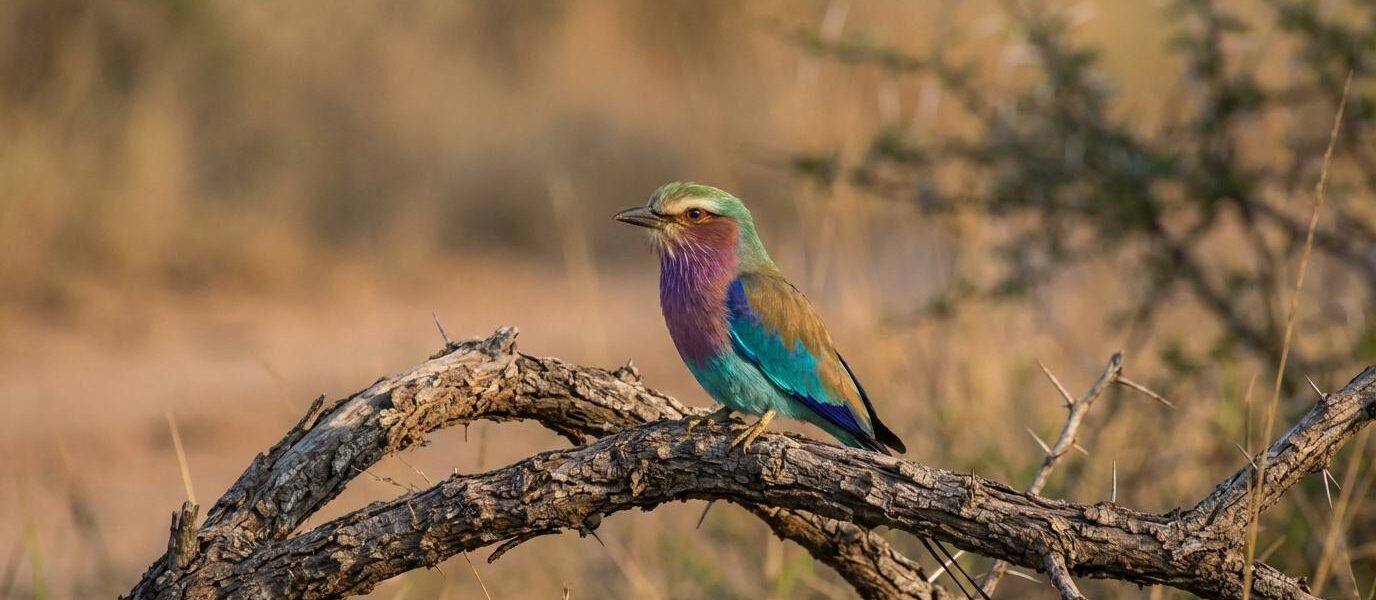
Greater Kruger is often spoken about as a Big Five safari destination first, and that reputation is well earned. Yet for many travelers, the birdlife becomes one of the most memorable parts of the trip. A morning drive in Kruger National Park that starts with lions on the move can just as easily turn into a string of rollers, hornbills, eagles, and storks, all seen before breakfast.
That blend is what makes birding here so appealing. You do not need to choose between a classic safari and a bird-focused trip. In the Kruger National Park region, the same drives, river edges, woodland roads, and open plains that hold mammals also produce a rich bird list, often with excellent views, dramatic light, and opportunities for keen observation.
Why this region is so rewarding for birders
The Kruger Game Reserve in South Africa covers a broad mix of habitats linked to the western side of Kruger National Park and its adjoining private reserves, offering excellent opportunities for a safari and emphasizing conservation efforts and ecology. Riverine forest, open savanna, thornveld, mopane woodland, seasonal pans, and dams all create different feeding and nesting areas. That habitat variety is the main reason birding stays interesting from one drive to the next.
The birding also feels dynamic. You might spend an hour focused on a calling woodpecker in the trees, then stop for a Bateleur gliding over the road, then watch a saddle-billed stork working a wetland. Many species are highly visible, even for travelers who are not dedicated birders.
Another advantage is pace. In well-run safari areas, birdwatching tours can fit naturally into game drives, bush walks, or the quieter hours around camp. A guide may pause for a raptor on a dead leadwood tree just as readily as for a leopard track.
Commonly productive habitats include:
- River edges and drainage lines
- Mopane woodland
- Open grassland and savanna
- Dams, pans, and seasonal pools
- Lodge gardens and camp trees
The species that stand out most
Some Greater Kruger birds make an impression because of color. Others do it with scale, voice, or pure presence.
The Lilac-breasted Roller is often the first bird visitors remember. It is bright, easy to spot on roadside perches, and one of the classic safari birds of southern Africa. Close by, the Woodland Kingfisher adds electric blue and a sharp call during the summer months, while White-fronted Bee-eaters and European Bee-eaters bring fast movement and flashes of green, chestnut, and gold.
Then there are the birds that look built for drama. Southern Ground-Hornbills stride through the bush with real authority, usually in small family groups. Saddle-billed Storks stand tall and unmistakable in wet areas, and Kori Bustards can appear on more open ground, impressive both on foot and in flight.
Raptors are a major part of the Greater Kruger birding appeal. A good safari can produce several in a single outing, with each habitat offering something different. Bateleurs are high on many wish lists, thanks to their rocking flight style and bold colors. Martial Eagles bring size and gravitas, while African Fish Eagles add the soundtrack, especially near rivers and dams.
Nocturnal species deserve attention too. Evening and early morning can turn up Verreaux’s Eagle-Owl, Spotted Eagle-Owl, and sometimes coursers or nightjars on the roads. Even travelers who came mainly for mammals often find themselves listening more closely after dark once the first owl call cuts through camp.
A few favorites worth keeping an eye out for are:
- Color icons: Lilac-breasted Roller, Woodland Kingfisher, White-fronted Bee-eater
- Big-profile birds: Southern Ground-Hornbill, Saddle-billed Stork, Kori Bustard
- Raptor highlights: Bateleur, Martial Eagle, African Fish Eagle
- Waterside picks: Goliath Heron, African Jacana, Pied Kingfisher
Best months for birding in Greater Kruger
If the goal is the widest bird variety, the green season is usually the strongest choice. From about November through March, summer migrants arrive, many resident species are in breeding plumage, and the bush feels more active overall. Calls are more frequent, nests are easier to find, and photography can be excellent when the light breaks through afternoon cloud.
That said, the dry winter months from May through August are far from a compromise. Vegetation is thinner, which can make birds easier to spot, and water sources draw both mammals and birdlife into reliable areas. Travelers who want a classic safari with strong all-round wildlife viewing often enjoy this period very much, even though migrant diversity is lower.
September and October are often overlooked for birding, yet they can be very good for raptors and for dramatic sightings around shrinking water. The heat builds, activity clusters around key habitats, and the first summer arrivals start to appear toward the end of this window.
April can be a lovely in-between month. The landscape still carries some green, temperatures are often pleasant, and there is a sense of change in the birdlife as the summer season begins to taper.
| Time of year | What birders can expect | Best for |
|---|---|---|
| November to March | Peak diversity, summer migrants, breeding plumage, active calls and nesting | Dedicated birding trips, photographers, travelers who want the richest list |
| April to May | Green scenery, softer transition season, good all-round sightings | Balanced safaris with birds, mammals, and comfortable weather |
| June to August | Dry bush, easier visibility, birds concentrated near water and open areas | First-time safari travelers who want birding plus strong mammal viewing |
| September to October | Hotter conditions, active raptors, busy waterholes, early migrant arrivals late in the period | Repeat visitors, serious wildlife watchers, dramatic dry-season scenes |
For many travelers, the sweet spot is simple. If birds come first, aim for mid-summer. If birds are part of a wider safari wish list, winter and the shoulder months work extremely well.
Where birding shines within Greater Kruger
Different parts of Greater Kruger can feel quite distinct, even within the same broader ecosystem.
River systems and drainage lines often produce the most varied bird activity in a short space. These areas are good for kingfishers, herons, storks, bee-eaters, hornbills, and raptors that patrol water or nearby woodland. Properties with access to rivers, dams, or productive seasonal pans often add a noticeable boost to a bird list.
Open savanna and mixed bushveld are excellent for rollers, bustards, lapwings, shrikes, drongos, and aerial hunters. Reserves known for broad open patches can be especially rewarding during early morning drives when birds are perched up and the light is still soft. In denser woodland, quieter species come into play, including barbets, woodpeckers, flycatchers, and smaller songbirds that reward a slower pace.
Private reserves in the Greater Kruger area, including places like Sabi Sands, Timbavati, Manyeleti, Klaserie, Balule, Thornybush, Kapama, and Umbabat, all have birding potential, though the exact mix depends on water, habitat, and season.
Birds you may see even without “trying”
One of the pleasures of birding here is how naturally it fits into a normal safari day. You do not need a specialist-only itinerary to enjoy it.
Many sightings happen from lodge decks, along camp pathways, or while waiting for coffee before the morning drive. Fork-tailed drongos, bulbuls, hornbills, francolins, starlings, and weavers often become familiar quickly. Then a single surprise, maybe a fish eagle calling from the river or a giant kingfisher flashing past, changes the whole mood of the hour.
This matters for families and mixed-interest groups. One traveler may be focused on leopards, another on photography, and another on birds. Greater Kruger tends to accommodate all of them in the same outing, which is part of its appeal.
As Mpala Safari’s guide to three‑generation trips in South Africa points out, the country’s blend of malaria‑free zones, straightforward logistics, and family‑friendly lodges makes planning multi‑age safaris easier than many first‑timers expect.
Getting more from a bird-focused safari
A little planning can make a big difference, especially if you hope to move beyond the most obvious species.
Good birding tends to come from early starts, patient stops, and a willingness to let a sighting breathe. Rushing between big mammals can mean missing the details that make the area special, from a hornbill feeding sequence to the shape and flight style that helps separate one eagle from another.
A few simple prep choices help a lot:
- Binoculars with good low-light performance
- A southern Africa bird app or field guide
- Neutral clothing and a hat
- Space on your camera card for “unexpected” birds
- A lodge or route with varied habitats nearby
Timing matters too. Dawn is excellent for calls and active movement, late afternoon can be very good for raptors and open-country birds, and the middle of the day is often ideal for birding around camp when smaller species come into view near water, flowering trees, or shaded gardens.
If the trip includes transfers from Johannesburg or Cape Town, it can help to keep the first and last safari days flexible rather than packed too tightly. Birding often improves when there is enough time for an unhurried afternoon drive or a final morning outing instead of a rushed departure.
Pairing birding with a classic Big Five safari
Some travelers worry that asking for birding time will take away from the main safari experience. In Greater Kruger, that usually is not the case.
Birds often add texture to the same habitats you are already visiting for mammals. A lion sighting on an open plain may also put you in range of kori bustards and Secretarybird country nearby. A stop at a river for elephants can turn into a fish eagle, jacana, and kingfisher session. Even predator sightings often bring in vultures, hornbills, drongos, and other opportunists that tell their own story.
This is also where choosing the right style of safari can help. Travelers who want strong birding usually do well with lodges or reserves that offer varied terrain, productive water, and enough flexibility on drives to pause for more than just headline mammals. Local safari planners can often match that style of travel to the right area, season, and transfer plan without making the trip feel overly technical.
For anyone with even a passing interest in birdlife, Greater Kruger rewards attention. Keep the binoculars close, listen as much as you look, and let the bush slow you down a little. The bird list tends to build itself from there.