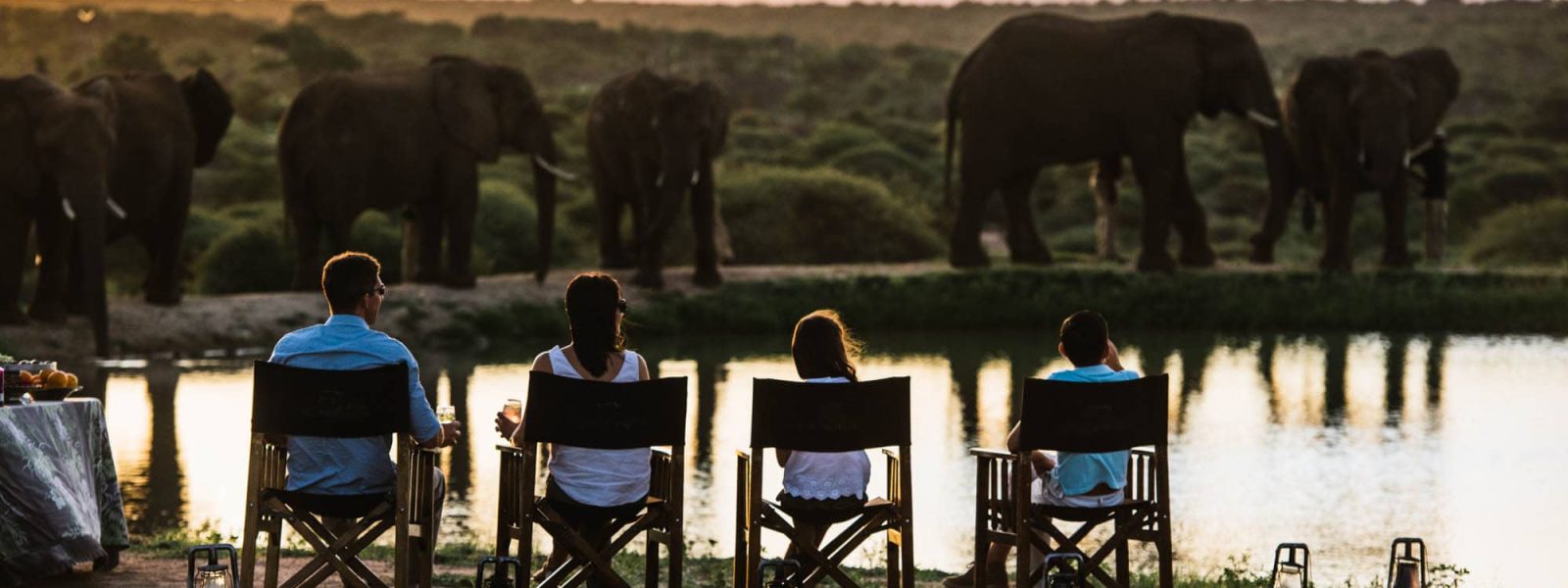
The Greater Kruger Region stands as one of the world’s most iconic and untouched wildlife destinations. It is a vast conservation landscape where lions own the night, elephants roam freely across ancient riverbeds, and leopards move like silent shadows through golden grassland. Combining the enormous Kruger National Park with its surrounding unfenced private game reserves, the Greater Kruger offers travellers an unmatched African safari experience.
For guests traveling with Kruger Safari Africa, the Greater Kruger delivers everything that defines a world-class safari — open landscapes, high-quality Big 5 sightings, exceptional guiding, luxury accommodation, and a deep sense of wild beauty you cannot find anywhere else.
What Is the Greater Kruger?
The Greater Kruger ecosystem consists of the publicly managed Kruger National Park and numerous private reserves that border it with no fences in between. This allows animals to roam freely across millions of hectares, creating one of the largest continuous wildlife areas in Africa.
Kruger National Park forms the heart of the region. Surrounding it are prestigious private reserves such as Sabi Sands, Timbavati, Klaserie, Manyeleti, Thornybush, Balule, and Kapama. These reserves operate their own lodges, rangers, and safari experiences, but share the same wildlife populations. This seamless movement of animals means that whether you’re on a public road in Kruger or deep inside a luxury lodge in Sabi Sands, you are part of the same thriving natural ecosystem.
This unique blend of public and private conservation is one of the reasons the Greater Kruger has become South Africa’s most revered safari destination for travellers from around the world.
Why the Greater Kruger Is South Africa’s Premier Safari Region
The Greater Kruger is famous for its exceptional Big 5 sightings, and for travellers with Kruger Safari Africa, this is where the best safari moments happen. Lions are commonly seen on the hunt or resting in dry riverbeds. Elephants roam in family herds across open plains. Buffalo gather in huge numbers. Leopards — especially in Sabi Sands — are relaxed and frequently seen during the day. Rhino sightings remain strong in protected areas.
Beyond the wildlife, the region is celebrated for its raw, untouched wilderness. Each reserve offers a landscape with its own character — Sabi Sands’ river systems, Timbavati’s open woodland, Klaserie’s rolling wilderness, Balule’s rugged bushveld, Kapama’s mixed habitat, and Manyeleti’s quiet, uncrowded plains. This diversity keeps every safari exciting, with new sightings and terrain at every turn.
Travellers seeking comfort and exclusivity will find some of the most luxurious lodges in Africa here. Properties such as Londolozi, Singita, Ulusaba, Sabi Sabi, Kapama Karula, Thornybush Game Lodge, and dozens more provide exceptional service, gourmet dining, private suites, outdoor showers, plunge pools, and expert guiding teams. These lodges transform a safari into a bespoke experience — one where every moment is finely curated.
Another defining feature of the Greater Kruger is the range of safari activities available. Unlike the public Kruger Park, the private reserves allow off-road driving, bringing guests closer to predators and rare animals. Night drives reveal a hidden world of nocturnal wildlife — hyenas, civets, genets, porcupines, owls, and big cats on the move. Guided walking safaris offer an intimate encounter with the bush, teaching guests how to identify tracks, plants, sounds, and behavioural signs.
The region caters to every traveller type. Luxury guests find perfection in Sabi Sands. Families love the welcoming atmosphere of Manyeleti, Kapama, and Balule. Photographers thrive in Timbavati and Klaserie. Travellers seeking affordable safaris can stay in Hazyview and enjoy easy access to Kruger. Kruger Safari Africa builds custom itineraries that combine these areas to match the exact interests of each guest.
The Most Iconic Reserves in the Greater Kruger
Each private reserve contributes its own personality to the Greater Kruger experience.
Sabi Sands, for example, is known worldwide for its leopard population and outstanding guiding.
Timbavati is famous for its legendary white lions and varied landscapes.
Klaserie offers tranquil wilderness with intimate safari camps and low vehicle traffic.
Manyeleti shares open borders with both Sabi Sands and Timbavati but remains one of the least crowded reserves, making it ideal for those who prefer exclusivity without premium pricing.
Thornybush blends classic safari terrain with exceptional lodge hospitality, while
Balule, part of the Greater Kruger landscape, provides more affordable yet fully authentic Big 5 encounters.
Kapama, although privately fenced, offers one of the most polished and accessible luxury safari experiences near Hoedspruit Airport — a favourite of international travellers.
For guests booking through Kruger Safari Africa, each reserve offers something slightly different, allowing every itinerary to be tailored for adventure, romance, family time, photography, or luxury.
Best Time to Visit the Greater Kruger
The Greater Kruger is a year-round destination. The dry season, which runs from May to October, is considered the best time for wildlife viewing because vegetation thins and animals gather near water sources. During this period, temperatures are mild, and predator sightings are often at their peak.
The green season, from November to April, is a beautiful time to visit for travellers who enjoy lush landscapes, dramatic summer skies, and the arrival of baby animals. Migratory birds bring added colour, and photographers love the richness of the scenery. While animal sightings may be more spread out, the rewards are no less spectacular.
Both seasons offer something special — and Kruger Safari Africa ensures travellers get the best possible experience no matter when they visit.
Popular Activities in the Greater Kruger
Beyond game drives, travellers can enjoy guided bush walks, night safaris, hide photography, stargazing sessions, cultural interactions, spa treatments overlooking the bush, private bush dinners, and treehouse sleep-outs in the wild. Day trips to the Panorama Route, the Blyde River Canyon, or local adventure activities in Hazyview add even more depth to a Greater Kruger itinerary.
Frequently Asked Questions – Greater Kruger Safari (Kruger Safari Africa)
What is the difference between Kruger National Park and the Greater Kruger?
Kruger National Park is the main public area, while the Greater Kruger includes all the private reserves with unfenced borders, creating a larger, unified ecosystem.
Why should I book with Kruger Safari Africa?
Kruger Safari Africa specializes in custom itineraries, top-rated lodges, and seamless transfers, offering safaris that match your style, budget, and preferred level of comfort.
Is the Greater Kruger good for seeing the Big 5?
Yes. It is one of the best Big 5 safari destinations in Africa, with excellent chances of seeing lions, elephants, rhinos, buffalo, and leopards.
Which private reserve is best?
It depends on your travel style. Sabi Sands is best for luxury and leopards, Manyeleti for uncrowded sightings, Timbavati for variety, and Kapama for accessibility.
What is the best time to visit?
The dry season (May–October) is best for wildlife visibility, while the green season (Nov–April) offers lush scenery and newborn animals.
Can families visit the Greater Kruger?
Yes. Many lodges in Kapama, Manyeleti, Balule, and Thornybush are family-friendly with child programs and family rooms.
Are night drives allowed?
Yes — in the private reserves only. This is one of the major advantages of staying in Greater Kruger private lodges.
Do lodges offer walking safaris?
Most private reserves offer professionally guided bush walks conducted by armed rangers and trackers.
Is the Greater Kruger safe?
Absolutely. Lodges have strict safety protocols, trained staff, and secure environments for all guests.
Do I need to book early?
Yes, especially for peak season. Many lodges in Sabi Sands and Timbavati fill up months in advance.