A Day on Safari in Greater Kruger: Game Drives, Meals, and Lodge Life
A safari day in Greater Kruger has a rhythm that feels both timeless and beautifully practical. The bush decides what you’ll see and when, so safari lodges shape the schedule around cool temperatures, animal movement, and the best light for wildlife viewing and photography in Greater Kruger.
Expect early starts, dusty boots, warm coffee, and the kind of quiet that makes every alarm call feel worth it.
Why the day begins before sunrise
Predators do a lot of their hunting at night and in the first cool hours of morning. Herbivores take advantage of the same mild temperatures to feed and move between grazing areas and water. By mid-morning, heat pushes much of the action into shade.
That’s why many Greater Kruger safari game drives begin with a gentle wake-up call around 4:30 to 5:00 am, followed by a quick hot drink and a prompt departure in an open safari vehicle.
The early wake-up: coffee, layers, and that first breath of air
The pre-drive routine is simple and purposeful. You’ll hear soft voices at the lodge, the clink of mugs, and the zip of jackets. In winter, it can be genuinely cold on the vehicle until the sun climbs.
You climb aboard, settle into your seat, and suddenly the lodge lights fall away behind you.
One minute you’re half-asleep. The next you’re scanning a sandy track for fresh paw prints.
Morning game drive: cool air, active animals, and the thrill of tracking
Morning drives typically run about three to four hours. The vehicle moves slowly, pausing often, sometimes turning off the road slightly in private reserves where off-road tracking is permitted (one of the biggest advantages of private safari reserves in Greater Kruger).
Your guide and, at certain lodges, a tracker work as a team. One focuses on driving, positioning, and interpretation; the other reads the ground and the bush ahead. It can feel like live detective work: a dragged toe mark from a lion, a scatter of guinea fowl giving an alarm call, the sharp smell of a kill in thick grass.
After a strong sighting, the pace changes. Everyone settles. Cameras click. Then the guide starts filling in the story: social dynamics, tracks, behavior, and why this place matters.
A few things tend to define the morning drive:
- Quiet roads and crisp visibility for wildlife spotting
- Herds moving between water and grazing
- Predators finishing nighttime activity (often great for Big 5 sightings)
- Birds warming up and calling from the canopy
The first break: bush coffee and a moment to look up
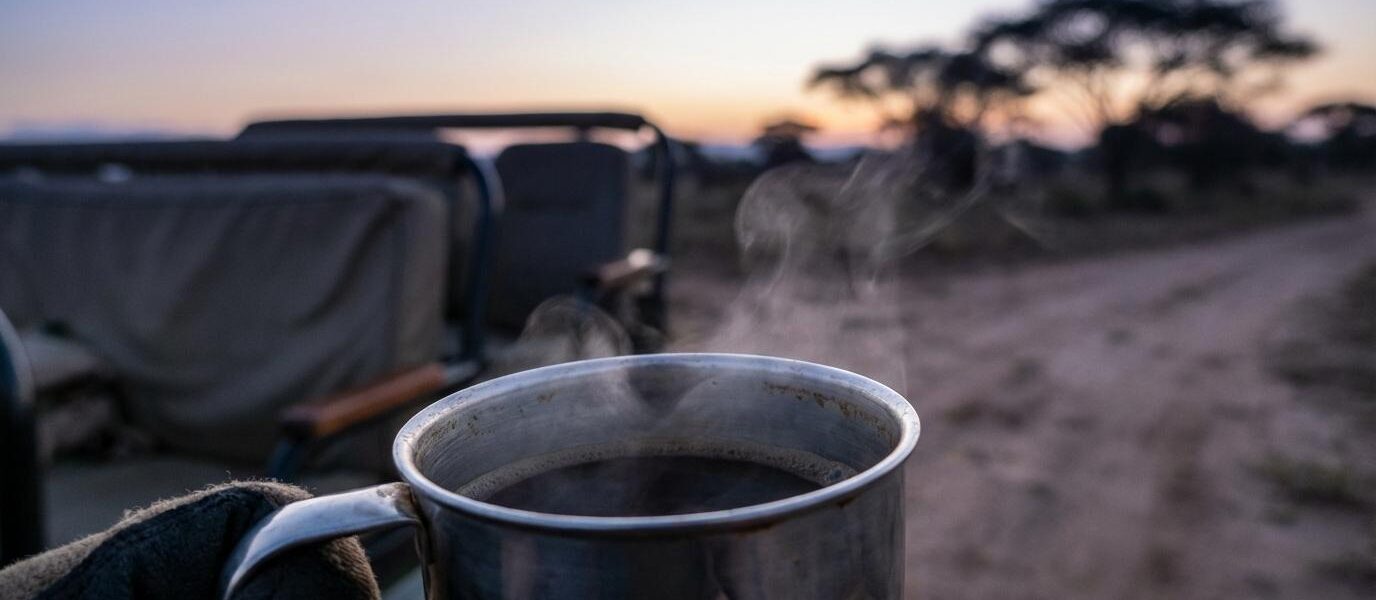
Many drives include a short stop for coffee, tea, and something small to snack on. It’s also a chance to stretch your legs in a safe, chosen spot under guide supervision.
It sounds simple, yet it often becomes a favorite memory: steam rising from a mug, sunrise color fading into blue, and the feeling that the rest of the world is very far away.
Breakfast back at camp: refuel, review photos, and relax
By 9:00 or 10:00 am, you’re usually back at the lodge. Breakfast might be a generous buffet, a plated meal, or a spread that mixes familiar comforts with local touches.
People tend to arrive at breakfast with the same look: slightly windblown, excited, and already retelling the morning’s best moments.
Then the lodge shifts gears.
Midday lodge life: slow hours done well
Late morning to mid-afternoon is typically unstructured. This is not “dead time.” It’s recovery time, and it’s part of why a Greater Kruger safari feels so restorative.
Depending on your lodge and reserve, midday can include reading on a deck, cooling off in a pool, booking a spa treatment, or joining a short activity offered between drives. Even doing nothing feels like doing something, because the bush keeps moving around you.
Common midday highlights often include:
- Wildlife viewing from the veranda (sometimes elephants stroll past camp)
- A nap with distant bird calls
- Time to charge camera batteries and organize photos
- A long, unhurried lunch at the safari lodge
A typical safari-day schedule at a glance
Times vary by season, lodge location, and whether you’re in Kruger National Park or a private reserve, yet the structure stays similar.
| Part of the day | Typical timing | What it feels like | What you may see more often |
|---|---|---|---|
| Wake-up and drinks | 4:30 to 5:00 am | Quiet, chilly, expectant | Stars fading, first bird calls |
| Morning drive | 5:30 to 9:30 am | Cool air, active tracking | Lions returning to shade, elephants at water, raptors on the wing |
| Breakfast | 9:30 to 10:30 am | Cozy, social, satisfying | Lodge sightings can continue from camp |
| Lunch and rest | 12:00 to 2:00 pm | Slow, warm, relaxing | Smaller animals near camp, birds, occasional elephants passing |
| Afternoon tea | 3:30 to 4:30 pm | Anticipation builds again | Weather shifts, light softens |
| Sunset drive | 4:30 to 7:30 pm | Golden light, dramatic scenes | Predators getting active, herds bunching up, sundowner stop |
| Night drive (private reserves) | After dark | Spotlight scanning, heightened senses | Nocturnal species, leopard patrols, hyena movement |
| Dinner | 7:30 to 9:00 pm | Firelight, stories, comfort | Night sounds beyond the lights |
Afternoon tea: the calm before the second adventure
Afternoon “tea” is often more than tea. It can be coffee, juice, something sweet, something savory, and a friendly check-in with your guide about the plan.
Then it’s back into the vehicle, this time with different energy. The light is warmer, shadows are longer, and animals begin to stir again as the heat releases its grip.
Sunset game drive: golden-hour sightings and the sundowner stop
The late-afternoon drive tends to feel cinematic. You might follow a river line where animals funnel toward water. You might search a drainage line for leopard, scanning trees and listening for alarm calls (Sabi Sands is especially well known for leopard sightings). You might roll up on a breeding herd of elephants, dust drifting around their feet.
At some point, the vehicle pulls into a scenic spot for sundowners. Drinks come out. The sun drops. The horizon glows.
Then the bush changes again.
After dark in private reserves: spotlights, patience, and nocturnal secrets
Night drives are a hallmark of many private Greater Kruger reserves and a major reason travelers choose a private safari over a self-drive experience. With a spotlight, the guide can pick up eye-shine on the road edge and scan thickets where nocturnal animals move.
The mood becomes focused and quiet. Small sounds feel larger: a twig snap, a distant hyena whoop, the low cough of a lion somewhere beyond the beam.
You might see species that rarely show themselves in daylight: genets, civets, bushbabies, porcupines, and, if luck is on your side, a leopard on the hunt.
Dinner and lodge evenings: bomas, stories, and early nights
Dinner is usually unhurried, often served in a dining room, on a deck, or in a boma under the stars. Meals commonly include a starter, a hearty main, and dessert, with good options for different dietary needs when shared in advance.
After dinner, many guests drift toward the fire for a final drink, stargazing, or a recap of the day’s sightings.
Then reality sets in: tomorrow starts early, too.
What guides want you to know about safety and etiquette
Safari is comfortable, yet it’s never casual about safety. The good news is that safari etiquette is easy, and your guide will brief you clearly before the first drive.
Following a few basics helps animals stay relaxed and helps everyone get better sightings.
- Stay seated: Keep your arms and legs inside the vehicle at all times.
- Keep voices low: Quiet guests see more, since animals stay calmer and other vehicles appreciate it.
- No sudden movements: Stand only if your guide says it’s okay.
- Respect the spotlight: Avoid flash photography at night and let the guide position the beam.
- Let the guide work: Distances and angles are chosen for safety and animal comfort.
How sightings shift through the day, and why it matters
Greater Kruger rewards people who appreciate the whole ecosystem, not only the Big Five. Time of day shapes behavior.
Early morning can bring tracks in soft sand, active predators, and herds on the move. Late afternoon often brings social interaction and movement toward water. Night highlights smaller, secretive species that many travelers never get to see elsewhere.
Season matters too.
Dry months often bring easier visibility and more predictable gathering around water. Green months bring lush scenery, dramatic skies, and a surge in birdlife, with many migratory species arriving in summer.
What to pack for one full safari day
The best packing list is short and practical. Your lodge may provide blankets, ponchos, or hot water bottles on cold mornings, yet having the right basics makes a big difference in comfort.
- Neutral layers for game drives
- A warm beanie for winter mornings
- Sunscreen and lip balm
- Binoculars for wildlife viewing
- A camera battery plan (and memory cards)
Making the day feel effortless: planning details that help
A safari day feels smooth when the logistics disappear. That can mean choosing the right reserve for your priorities, building in the right number of nights, and matching the lodge style to your travel pace.
Kruger Safari Africa, like many specialist operators based in the region, plans Greater Kruger safari packages around this classic two-drive rhythm, then fine-tunes the details: transfers that match flight times, lodge choices that fit your budget and style, and guidance on what to expect so your first morning wake-up call feels exciting instead of intimidating.
If you want a more tailored experience, these questions help shape it:
- Vehicle style: Shared drive atmosphere or a private vehicle for photography pace?
- Reserve choice: Private reserve with night drives, or a Kruger National Park focus, or both?
- Daily tempo: Two drives per day, or space for longer midday rest and add-on activities?
- Food needs: Any allergies or preferences to share before arrival?
- Special moments: Honeymoon touches, birthdays, or a private dinner request if the lodge allows it?